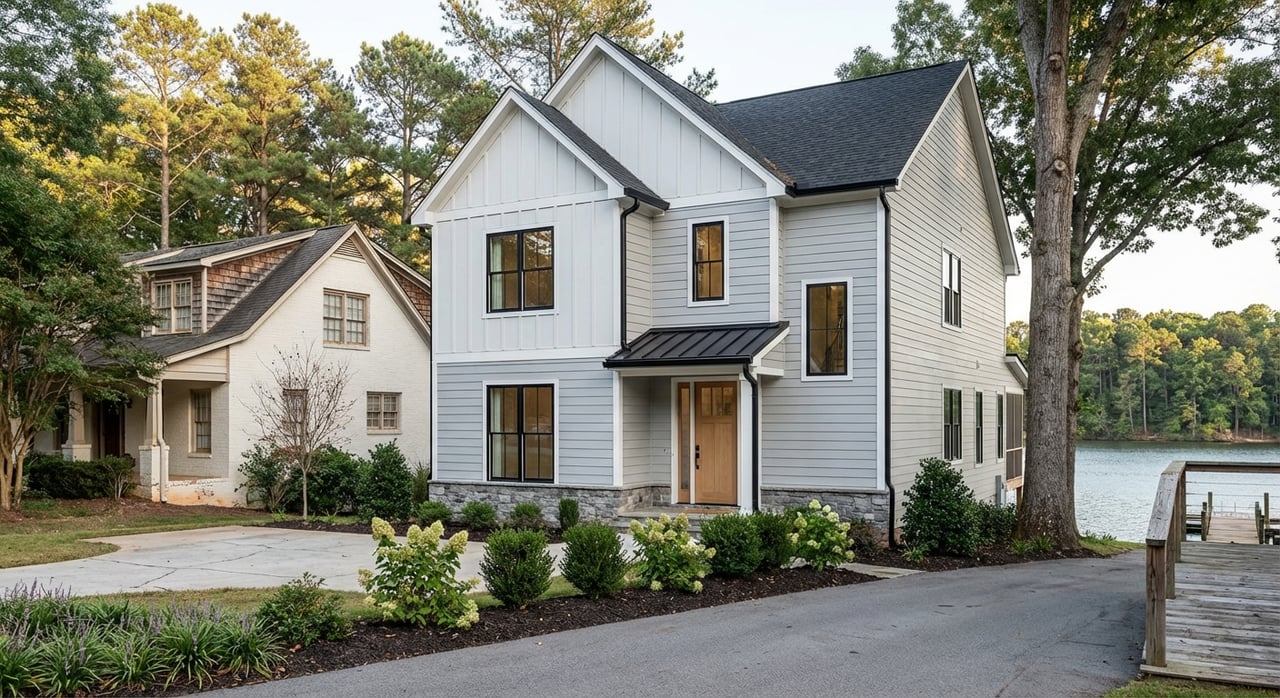
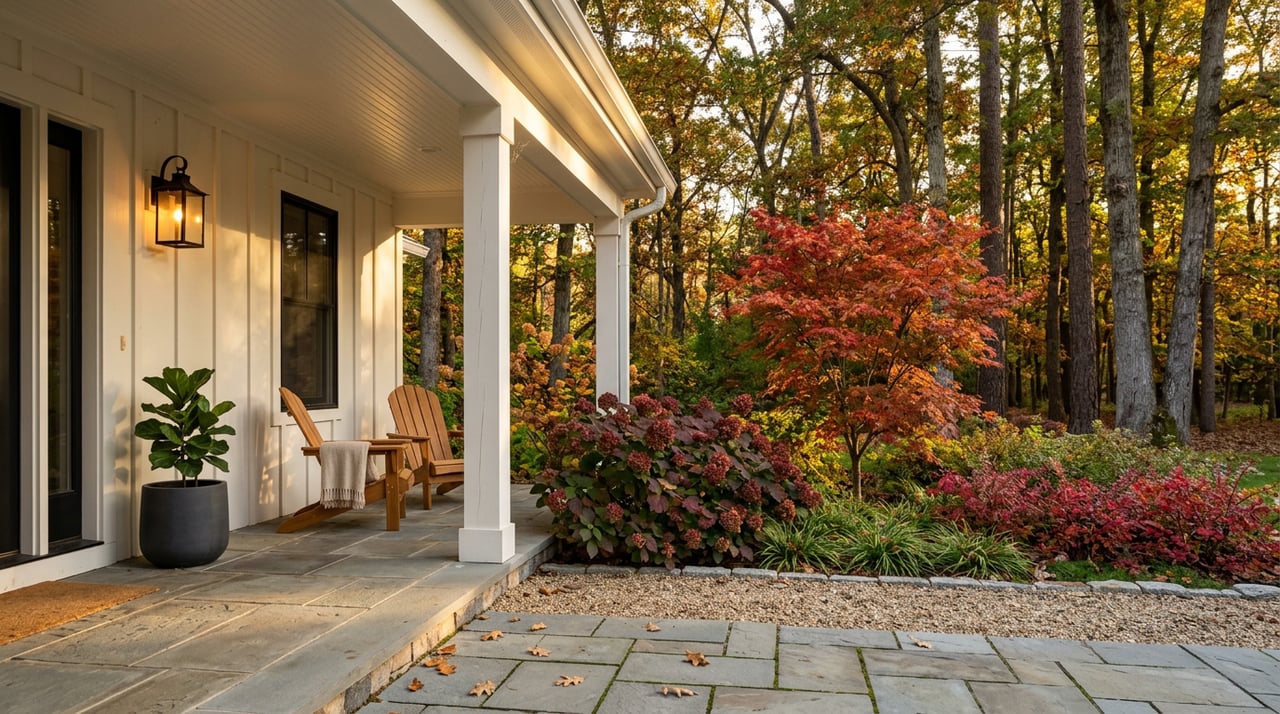
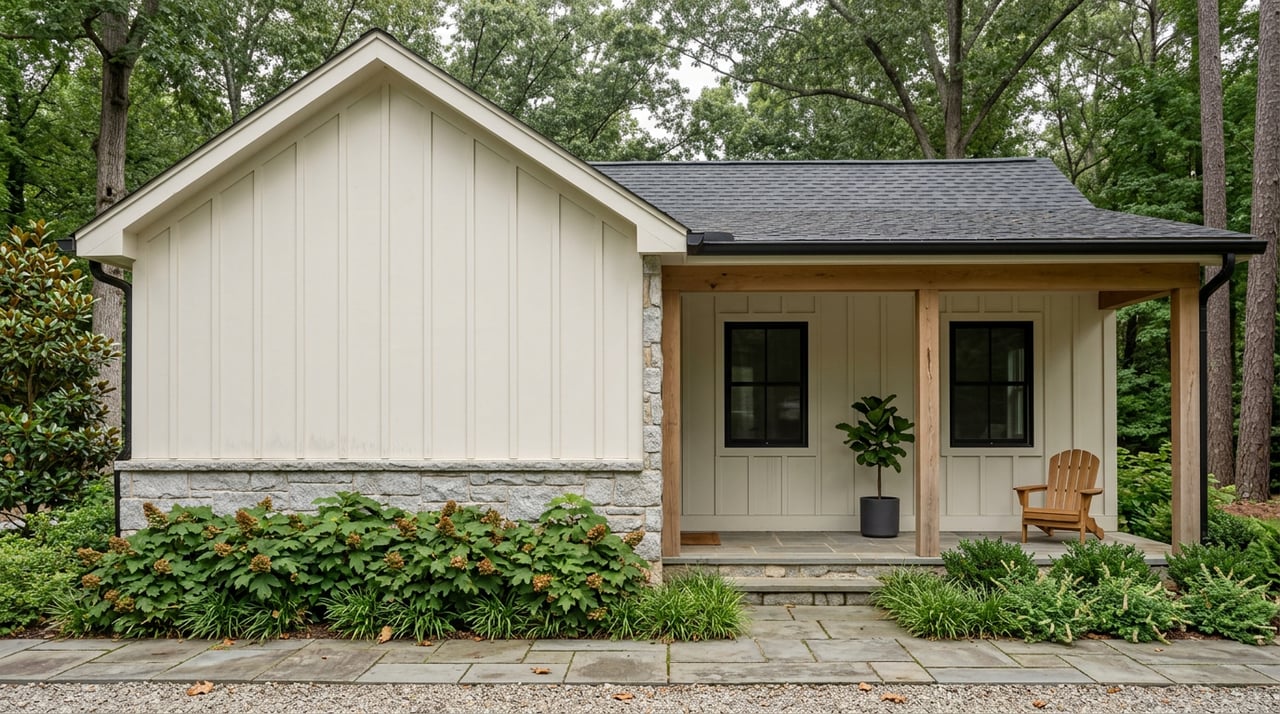
Morning coffee on your dock, sunset cruises, and long summer weekends are easy to picture. The harder part is choosing between a brand‑new build and a resale home on Lake Lanier. If you want lake access without surprises, understanding how docks, permits, timelines, and operating costs differ is essential. This guide breaks down the key tradeoffs, the lake rules that shape your options, and a simple checklist to buy with confidence. Let’s dive in.
What shapes Lake Lanier choices
Lake Sidney Lanier spans about 39,038 surface acres with roughly 693 miles of shoreline, and the U.S. Army Corps of Engineers manages its shoreline and dock permits. The Corps’ Shoreline Management Plan caps private boat docks with a preferred maximum of 10,615 lake‑wide, and it sets spacing, buffer, and inspection rules that affect what you can build and how you can use the shore. Shoreline Use Permits are typically issued for five years and renewed if compliant, but they are not transferable. When a property sells, the permit becomes void and the new owner must apply to the Corps to reissue it. You can review the rules in the Corps’ Shoreline Management Plan for Lake Sidney Lanier.
Dock scarcity matters. Local reporting has noted the Corps’ remaining private‑dock allocations were nearly exhausted in recent years, a factor that often drives price premiums for homes with a permitted dock. See the Gainesville Times’ coverage for context on permit scarcity.
New construction vs resale: the key tradeoffs
Lot size and dock access
Style, finishes, and upkeep
- New construction
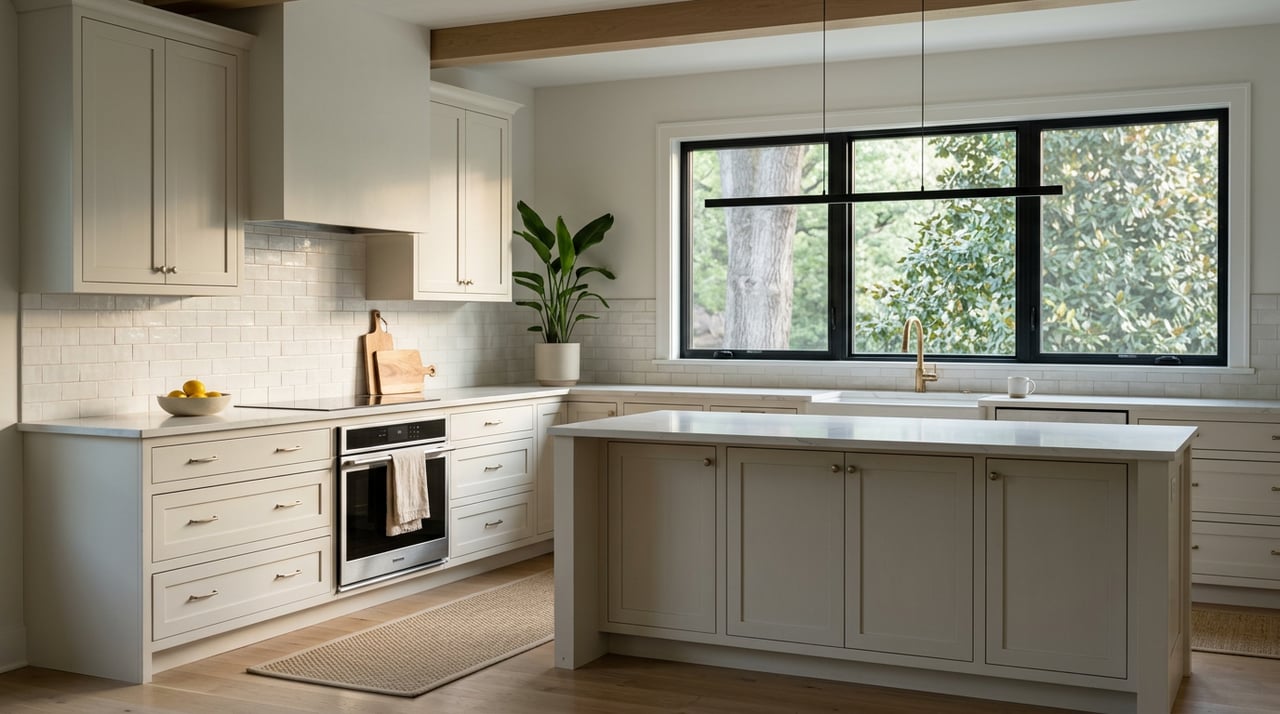
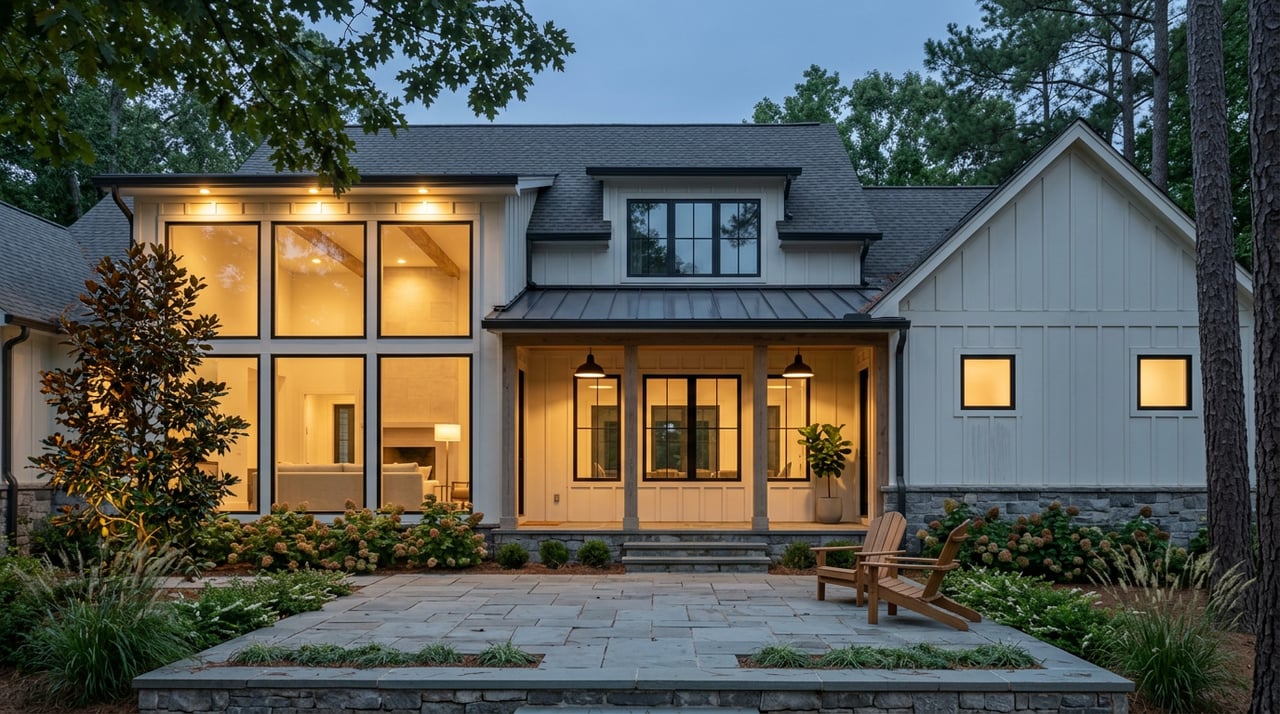
- You get modern layouts, current systems, and often a builder warranty. Many buyers value the chance to choose finishes and technology packages.
- Resale
- You may find unique architecture, mature trees, and established outdoor spaces. That charm can come with projects like roof or HVAC updates, septic work, or dock repairs. Waterfront homes also need specialized inspections, including a licensed electrician’s Exhibit C for dock electrical.
- What to verify
- Budget for targeted updates on older homes, especially dock structure and electrical, septic, and drainage. Even turnkey resale properties deserve a thorough waterfront inspection set.
Energy and operating costs
Timeline and financing
- New construction
- Spec homes can close in months once construction is underway. Custom homes often take longer from design through permitting and buildout. Construction financing and staged deposits are common, so plan for rate changes and builder timelines.
- Resale
- You can move faster on a standard mortgage and closing schedule. If you want the lake for this summer, resale is often the most reliable path to immediate use.
- What to verify
- Ask for the builder’s construction calendar, deposit schedule, and warranty. For resale, map your preferred closing date to the boating season and factor in inspection windows.
Utilities and environmental checks
Flood risk, title, and easements
What this means for your budget
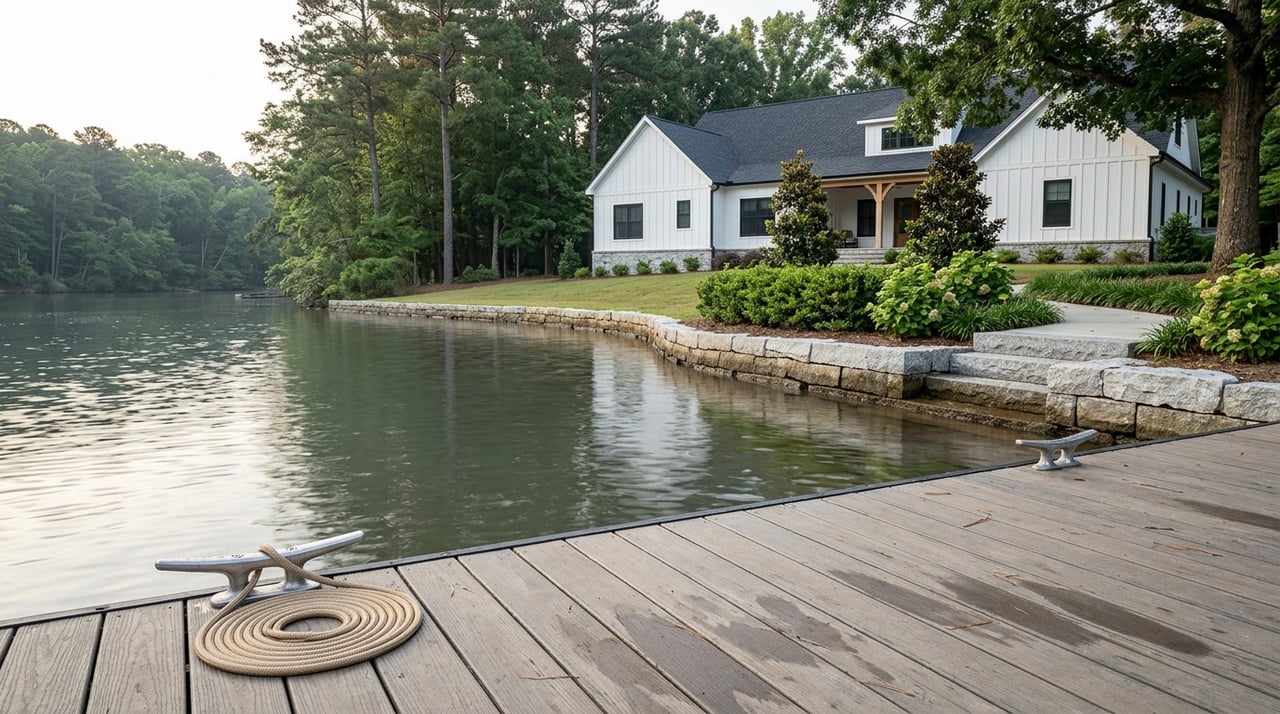
Docks drive value on Lake Lanier. Homes with a valid private dock permit or deeded slip often command a noticeable premium because private permits are capped by the Corps and are in short supply. Local appraisers and broker summaries emphasize that site and water access dominate value on the lake, which is why price per square foot can be less meaningful than lot, cove, and dock specifics.
Beyond the purchase price, plan for line items that are unique to the lake. Examples include Corps administrative fees tied to shoreline licenses, dock upkeep, septic maintenance or replacement, HOA dues and community‑slip fees, and flood insurance. Local reporting has discussed changes to Corps administrative fees in recent years, so confirm the current schedule directly with the Lake Lanier Project Office before budgeting.
Buyer checklist for Lanier
Use this quick list to keep your purchase on track:
- If a private dock is essential
- Ask for copies of the Shoreline Use Permit or license, the most recent Corps inspection, and the Exhibit C for dock electrical. Confirm every step required to reissue the permit after closing, since permits become void upon transfer. Build contingencies that align with the Corps’ change‑of‑ownership process.
- For any waterfront purchase
- Order specialized inspections: dock structure and electrical, septic, erosion and drainage, and a shoreline survey if access points or boundaries are unclear.
- For community‑dock neighborhoods
- Request HOA documents that spell out slip assignment, waitlists, fees, and maintenance obligations. Compare total annual ownership costs to a private‑dock property.
- For utilities
- Verify sewer availability with the county or provider. If septic, review pumping and repair history and get a current inspection.
- For risk management
- Pull FEMA flood maps for the address and discuss insurance with your lender. Ask your closing attorney to confirm all easements, including Corps flowage and access easements.
- For shoreline rules and permit clarity
Which path fits you?
- Choose new construction if you value a modern floor plan, lower near‑term maintenance, and energy efficiency, and you are comfortable with community dock access and HOA structures. This path works best when your timeline is flexible and you want options to personalize finishes.
- Choose resale if a private permitted dock, mature trees, and immediate shoreline connection sit at the top of your wishlist, and you are prepared for targeted updates or inspections. This path is also ideal if you want to enjoy the lake the very next season.
When you are weighing these options, trusted local guidance is the difference between guessing and getting it right. If you want help evaluating dock status, HOA rules, septic and shoreline factors, or the total cost of ownership on a specific property, connect with Dani Burns for tailored, lake‑smart advice.
FAQs
Can I get a private dock with a new home on Lake Lanier?
- The Corps’ Shoreline Management Plan caps private permitted docks at a preferred maximum of 10,615, and community docks are common in newer subdivisions. There is no automatic right to a private dock, so verify options with the USACE and review the SMP.
Do dock permits transfer when I buy a lake home on Lanier?
- Not automatically. Shoreline Use Permits are temporary and become void at sale, so the new owner must apply and meet change‑of‑ownership requirements. Require permit documentation and plan for the reissue process during due diligence.
Are new homes on Lanier cheaper to run than resale homes?
- Often yes. New builds that meet programs like ENERGY STAR typically have lower energy use and can be more comfortable. Older homes can close the gap with upgrades, but those require upfront investment.
What inspections are unique to Lake Lanier waterfront properties?
- Add dock structure and electrical (Exhibit C), septic, erosion and shoreline stabilization, and targeted moisture or foundation checks. Hire inspectors experienced with waterfront homes.
Where can I check flood zones for a Lake Lanier address?
- Use FEMA’s Map Service Center to view current flood panels and talk with your lender or insurer about coverage requirements and costs.