June 25, 2026
If you are thinking about sharing a Lake Lanier home with parents, adult children, or long-term guests, you already know this is about more than extra bedrooms. Multi-generational living works best when the home, the lot, and the lake access all support daily comfort. On Lake Lanier, that means balancing privacy, flexibility, and shoreline rules before you fall in love with the view. Let’s dive in.
Lake Lanier is not a simple one-neighborhood market. It is a multi-county shoreline area with more than 690 miles of shoreline, public land managed by the U.S. Army Corps of Engineers, and major differences from one property to the next.
For you as a buyer, that means two homes with the same square footage can function very differently for a multi-generational household. Lot slope, dock access, county services, and the path from the driveway to the water can matter just as much as the floor plan.
The lake also serves many uses beyond housing, including water supply, recreation, flood protection, navigation, power production, and fish and wildlife management. Because of that, shoreline use is closely regulated, and those rules can directly affect how your household uses the property.
When several generations live under one roof, comfort over time matters. Features that work well today can also help your household stay flexible if mobility needs change later.
A strong starting point is a home with main living spaces on one level. Look for a main-level bedroom or suite, a full bath on the main floor, and a no-step covered entry if possible.
Wider hallways and doors can also make a big difference. Guidance for aging-in-place design highlights 36-inch hallways, 32-inch clear door widths, and open turn space as practical features that support easier movement.
If you are considering a two-story home, think beyond your current needs. A layout that allows space for a future lift or elevator, fewer interior steps where possible, and handrails on both sides of the stairs can make the home more useful for longer.
One of the biggest goals in multi-generational living is giving everyone enough personal space while still keeping the home connected. On Lake Lanier, larger homes often make that possible, but the right layout matters more than sheer size.
Look for features like a true guest suite, a separate bonus area, or a flex room that can change with your family’s needs. These spaces can work well for aging parents, adult children, caregivers, a nursery, or a quiet office.
Bathrooms deserve close attention too. A main-level bath with room to move, a curbless shower, and practical spacing around sinks and toilets can support a wider range of needs without making the home feel institutional.
A beautiful lake home can still be hard to live in if the lot is challenging. For multi-generational households, the outside approach often shapes the day-to-day experience more than buyers expect.
Pay close attention to the driveway grade, the walk from parking to the front door, and the route to outdoor living spaces. A steep approach may be manageable for some family members but difficult for others, especially during frequent visits or long-term caregiving situations.
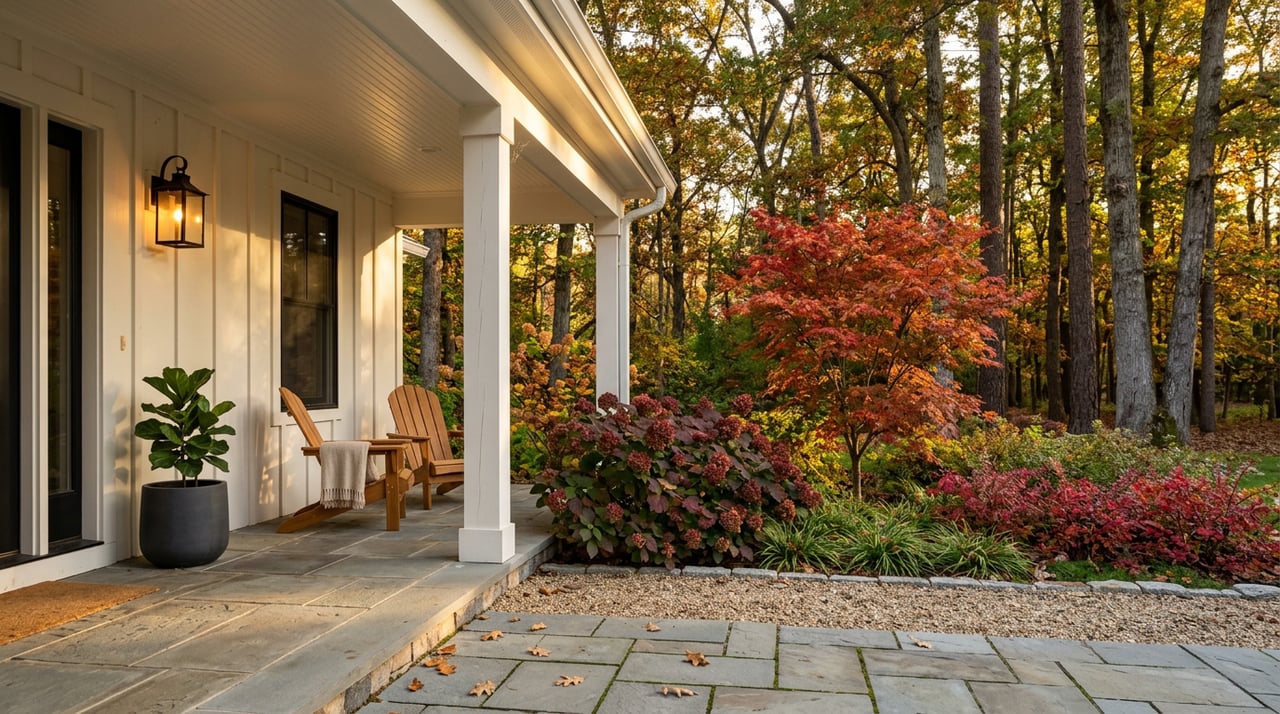
The same goes for patios, decks, and entries. Outdoor areas are easier to enjoy when surfaces are low-maintenance, transitions are close to floor level, and covered access protects against sun and rain.
Wider garage or carport access can also be useful when several adults share the home. It is a small detail that can improve everyday convenience.
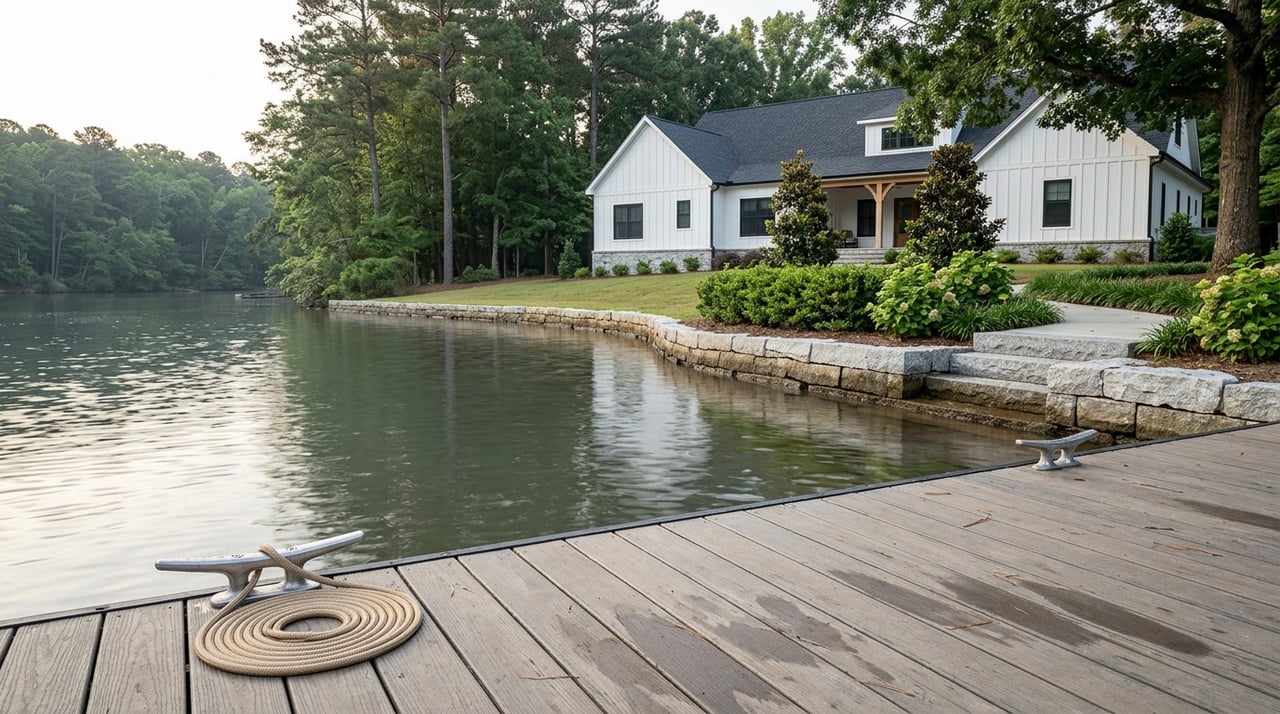
On Lake Lanier, dock access is often a major reason people buy. But for a multi-generational household, the dock situation is not just about recreation. It can affect how easily your family uses the property and whether existing improvements are properly permitted.
The U.S. Army Corps of Engineers manages shoreline use permits and licenses on the lake. These permits are limited to certain public lands zoned for limited development, are issued for up to five years, are nontransferable, and do not convey real estate rights.
That means you should confirm the status of any existing dock or shoreline improvement before closing. A new owner of an existing facility can apply, and first-time applicants must meet a ranger on site.
It is also important to know that changes often require prior approval. The shoreline management office handles permits for activities such as docks, riprap, and small silt removal, and processing may take about 6 to 8 weeks.
Many buyers see a dock, a cleared path, or added shoreline features and assume everything is in order. On Lake Lanier, that can be a costly mistake.
The Corps states that buyers should not assume all existing improvements are allowed just because they are already there. Shoreline rules prohibit certain actions on public property, including clearing trees and understory vegetation, planting non-native or ornamental vegetation, and placing non-permitted items such as storage sheds or boat trailers.
For a multi-generational household, this matters because outdoor usability is often a key part of the purchase decision. If your family plans depend on a certain shoreline setup, it is smart to verify what is permitted instead of relying on appearances.
Lake Lanier spans multiple counties, and county context can shape your experience as an owner. A property’s county can affect taxes, permits, utility context, and access to local services.
Hall County describes Gainesville and Hall County as a regional center for health and education, and the lake remains a major lifestyle and economic driver there. Dawson County notes that part of the lake sits in its southeastern area and that county boundary lines pass through the lake itself.
That means neighboring properties may not share the same county oversight or service environment. For multi-generational living, this matters when you are comparing how close the home is to everyday needs, visitor access, and caregiving support.
Hall County also notes that the lake is easily accessed from Atlanta by major highways. If your household includes commuters, frequent visitors, or family members helping with care, that access can be a meaningful part of your decision.
The best multi-generational homes usually do not solve just one season of life. They give you room to adapt as routines, ages, and household roles shift.
A flex room may start as an office and later become a bedroom. A separate suite may work for guests now and a caregiver later. A main-level living area may become the feature that makes the home work for your family years down the road.
This is especially important on Lake Lanier, where the right property often involves a bigger investment and more moving parts than a typical neighborhood purchase. Planning for flexibility can help you buy a home that supports your lifestyle longer.
Before you move forward on a multi-generational Lake Lanier property, keep these questions in mind:
Buying for multi-generational living on Lake Lanier often means weighing lifestyle goals against property details that are easy to miss online. A stunning view and a large home are only part of the picture.
You also need to understand how the lot lives, how the shoreline is regulated, and how the home may serve your family over time. That kind of planning can help you avoid surprises and focus on properties that truly fit the way you want to live.
If you want help evaluating lakefront homes with both family function and shoreline details in mind, Dani Burns can help you navigate the process with local Lake Lanier insight and a practical, relationship-first approach.
We believe exceptional homes deserve exceptional representation. From exclusive properties to seamless negotiations, we represent every client with the care, precision, and elevated service luxury real estate demands.