May 14, 2026
Dreaming about Lake Lanier living, but not the constant upkeep that can come with a single-family lake home? That is exactly why condos and townhomes around Lake Lanier catch so much attention. If you want easier maintenance, shared amenities, and a simpler path to enjoying the lake lifestyle, this guide will help you understand what to look for, what to ask, and how to decide if attached living fits your goals. Let’s dive in.
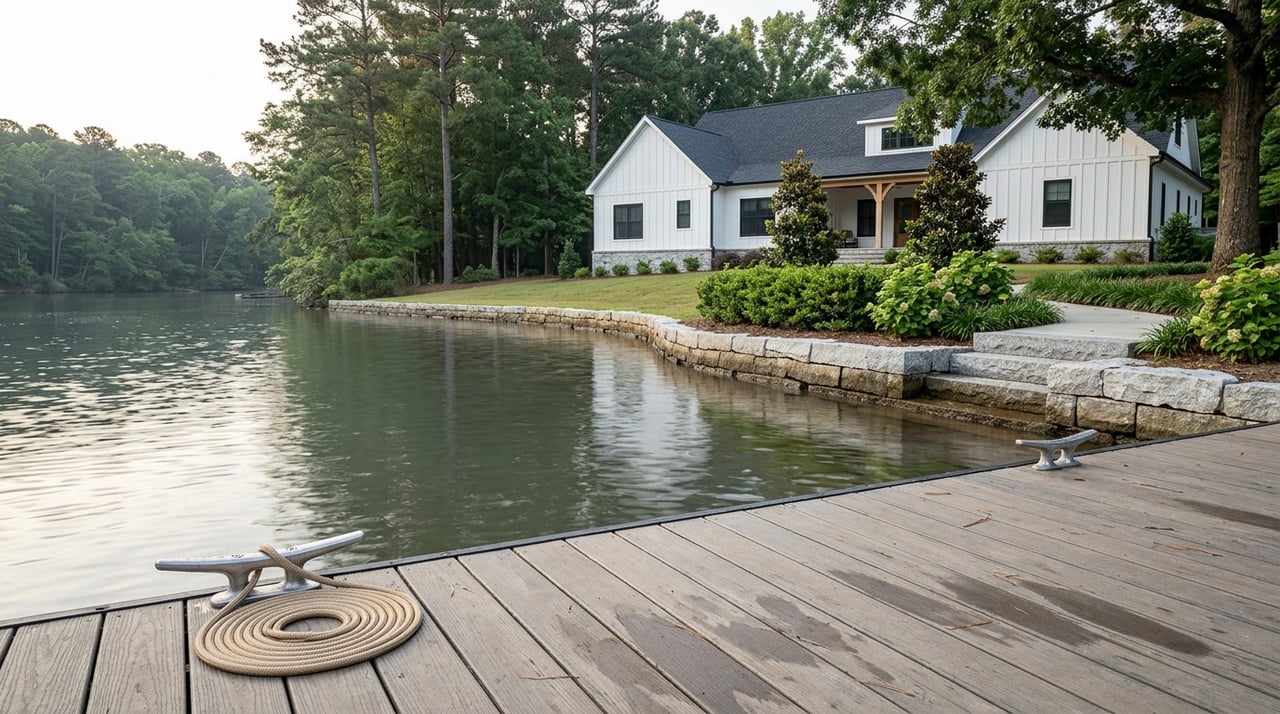
Lake Lanier is a major recreation destination with more than 690 miles of shoreline, about 39,000 acres of water at full pool, 76 boat ramps, and 10 marinas. It offers a lifestyle many buyers want, but owning a property directly tied to shoreline responsibilities can be more involved than people expect.
Because the U.S. Army Corps of Engineers manages the shoreline and permit process for docks and certain work on public lake property, condos and townhomes can be an attractive option. For many buyers, attached homes offer a way to enjoy being near the water without taking on as much day-to-day shoreline responsibility.
That can be especially appealing if you are buying a second home, downsizing, or simply want more time on the lake and less time managing a property. Around Lake Lanier, that balance is a big part of the draw.
A condo usually means you own your individual unit and also share an interest in common areas and amenities. Those shared spaces may include things like pools, clubhouses, fitness centers, party rooms, or walking trails, depending on the community.
In most condo communities, an association oversees the upkeep of common areas and collects fees to support those services. The association also typically enforces community rules, which may address pets, parking, noise, renovations, and rentals.
That structure can make ownership feel more predictable, especially if you prefer a lock-and-leave lifestyle. Still, every community is different, so the details matter.
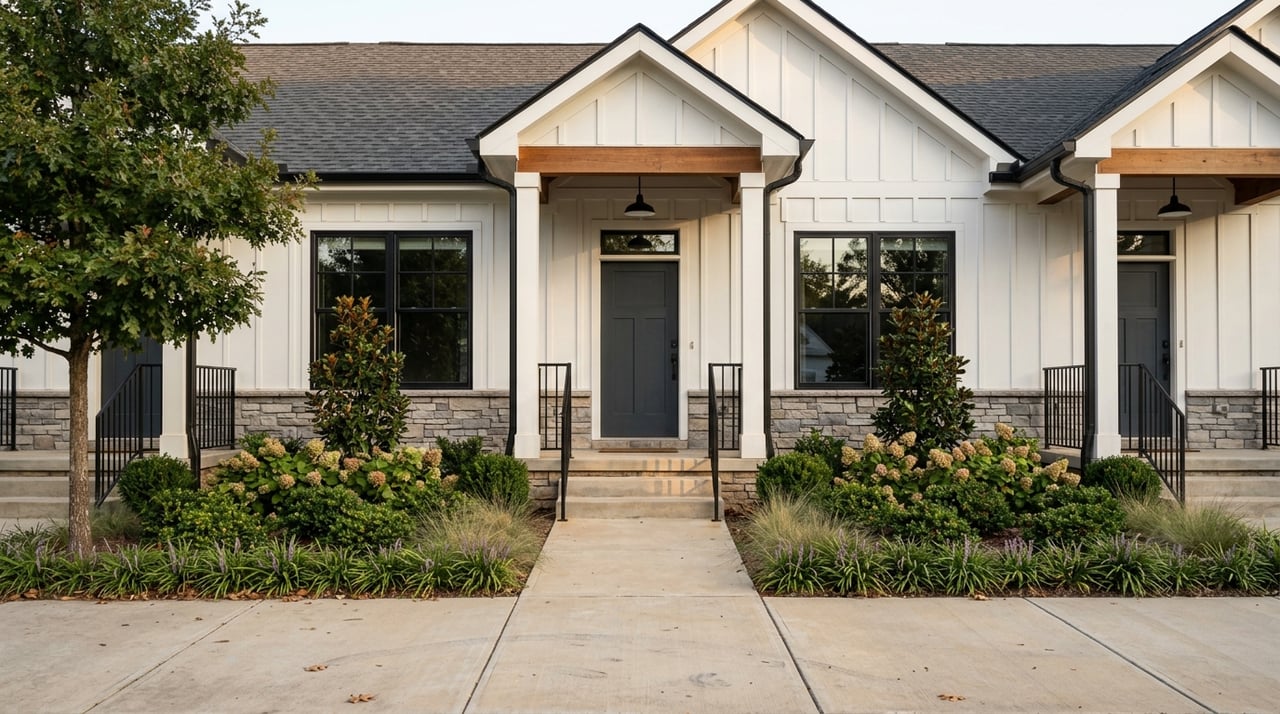
A townhome is generally an attached home with shared walls and its own entrance. Beyond that, the ownership structure can vary more than many buyers realize.
That means the word townhome does not automatically tell you who handles the roof, exterior, landscaping, or shared spaces. In one community, the HOA may cover much of the exterior maintenance. In another, you may be responsible for more than expected.
If you are considering a townhome near Lake Lanier, the recorded documents and HOA rules matter more than the label. You want to know exactly what you own and what you are expected to maintain.
One of the biggest benefits of condo and townhome living is lower day-to-day maintenance. HOA dues often help cover landscaping, routine maintenance, neighborhood upkeep, common areas, reserves, shared amenities, and sometimes select utilities.
Those dues are usually paid directly to the HOA, not through your mortgage servicer. Costs can vary widely, ranging from a few hundred dollars a month to more than $1,000, and some communities collect fees monthly, quarterly, or annually.
That is why it is so important to look beyond the amount itself. A higher fee is not automatically a negative if it supports strong maintenance, amenities, and reserves. A lower fee is not always a bargain if major costs are being deferred.
When you buy in an attached community, regular dues are only part of the financial picture. You should also ask about special assessments.
Associations may levy special assessments for emergency repairs or major projects when reserve funds are not enough. That could affect your budget in a significant way, especially in an older community or one facing deferred maintenance.
Before you buy, review the CC&Rs, bylaws, rules, reserve information, and any past or planned special assessments. This is one of the clearest ways to understand how a community is run and whether the financial structure feels stable.
Insurance is another area where condo and townhome living differs from a detached home. In many condo communities, association fees include master insurance for common areas, but that does not replace your need for your own policy covering your unit and personal belongings.
For any financed home purchase, lenders typically require homeowners insurance. Depending on the property and its risk profile, flood insurance may also be a separate consideration.
This is a smart topic to clarify early. You want a clear picture of what the association’s policy covers and where your individual responsibility begins.
This is one of the biggest misconceptions buyers have around Lake Lanier. Just because a condo or townhome is near the water does not mean lake access is included in the way you might assume.
The U.S. Army Corps of Engineers manages and protects the shoreline, and the Lake Lanier Project Management Office handles permits for dock-related and certain shoreline work on public land. USACE also notes that community docks require documentation and permit reconciliation.
That means you should verify exactly what comes with the property. Ask whether the home includes a deeded boat slip, community dock access, marina access, or simply proximity to the lake. Those are very different things, and they can shape both your lifestyle and the property’s value to you.
Even if your property does not include direct dock access, boating can still be a big part of life around Lake Lanier. The lake has 76 boat ramps and 10 marinas, though many ramps charge user fees and some may close during low water.
For buyers who want easy access to recreation without managing a shoreline themselves, that setup can work well. You may find that a condo or townhome near marinas, ramps, or other access points gives you the lifestyle you want with fewer ownership demands.
This is where local guidance matters. The right fit often comes down to how you actually plan to use the lake on a week-to-week basis.
If you are trying to decide between attached living and a detached lake home, the choice often comes down to maintenance, control, and lifestyle priorities.
A detached single-family home usually gives you more privacy, more space, and more direct control over the property. It also means you are responsible for maintenance and repairs, from small leaks to roof replacement, before you even factor in any lake-related considerations.
A condo or townhome may offer a more streamlined ownership experience. If your goal is to spend more time enjoying Lake Lanier and less time coordinating upkeep, attached living can be a practical compromise.
| Option | Often Best For | Main Tradeoff |
|---|---|---|
| Condo | Buyers who want shared amenities and lower maintenance | HOA rules and shared decision-making |
| Townhome | Buyers who want an attached home feel with possible added space | Maintenance responsibilities vary by community |
| Single-family lake home | Buyers who want more space, privacy, and control | More hands-on maintenance and repair responsibility |
Condo and townhome living around Lake Lanier often makes sense for a few types of buyers. Downsizers may appreciate simplified upkeep. Second-home buyers may value a more lock-and-leave setup. Busy professionals may want more convenience and fewer maintenance tasks.
It can also be a strong option if you want to be close to the lake lifestyle without taking on the full responsibility that can come with detached ownership. The key is making sure the community rules, fees, and access setup match how you want to live.
That is why there is no one-size-fits-all answer. The best choice depends on your priorities, your schedule, and how you picture using your home.
Before you move forward on a condo or townhome near Lake Lanier, make sure you get clear answers to the basics. These questions can help you compare communities more confidently:
The more clearly you understand these answers, the fewer surprises you are likely to face later. Around Lake Lanier, details matter.
Buying near Lake Lanier is not just about square footage or finishes. You are also weighing community rules, shared maintenance, fees, insurance questions, and the realities of lake access under Corps-managed shoreline rules.
That is where experienced local guidance can make the process smoother. When you know how to evaluate the documents and ask the right questions, you can choose a property that truly fits your lifestyle instead of just looking good on paper.
If you are exploring condos or townhomes around the lake, working with someone who understands both the lifestyle and the fine print can help you move forward with confidence. When you are ready to talk through your options around Lake Lanier, connect with Dani Burns for thoughtful, local guidance.

We believe exceptional homes deserve exceptional representation. From exclusive properties to seamless negotiations, we represent every client with the care, precision, and elevated service luxury real estate demands.