June 4, 2026
If your ideal Lake Lanier home includes dock days, muddy paws, and an easy indoor-outdoor routine, pet-friendly features matter more than you might think. Living by the water is beautiful, but it also comes with heat, humidity, rain, shoreline mess, and changing lake access that can affect your day-to-day comfort. The good news is that the right home setup can make life easier for both you and your pets. Let’s dive in.
Lake Sidney Lanier spans more than 692 miles of shoreline and serves many purposes, including recreation, water supply, flood protection, hydropower, navigation, and fish and wildlife management. Because the lake is actively managed, water levels can fluctuate over time. That means homes with docks, shoreline paths, and outdoor access points often work best when they can adapt to changing conditions.
North Georgia weather is another big factor. The region typically sees long stretches of warm, humid summer weather, 30 to 60 days each year with highs of 90 degrees or more, 50 to 55 inches of annual rainfall, and frequent spring and summer thunderstorms. In a Lake Lanier home, those conditions make durable finishes, quick cleanup zones, shade, and drainage especially practical.
For many buyers, this comes down to lifestyle. A home can look stunning on the water, but if it does not handle wet gear, fur, sand, mud, and frequent trips outside, it may not feel easy to live in. The best pet-friendly Lake Lanier homes balance beauty with function.
Harder-wearing flooring can save you a lot of stress after a day outside. Tile, vinyl, and stone are practical options because they tend to be easier to clean and more resistant to stains and scratches from nails. In a home with frequent traffic from the yard, dock, or boat, that kind of durability matters.
If you love the look of area rugs, there is still a pet-friendly way to use them. Rug pads can help reduce slipping, which is helpful for both pets and people coming in with wet feet. That small detail can make open living spaces feel safer and easier to maintain.
One of the most useful features in a Lake Lanier home is a dedicated drop zone near an entry. A mudroom or small transition space gives you a spot for leashes, towels, bags, and cleanup supplies before your pet tracks water or dirt through the rest of the house. It is a simple feature, but it can make a big difference in everyday life.
Even if a home does not have a full mudroom, an organized entry area can still work well. Hooks, storage baskets, and nearby towel access can help create a lake-day routine that feels manageable. For many pet owners, this is one of the most valuable practical upgrades.
Pet-friendly homes often use materials that are easier to wipe down and refresh. Satin paint finishes tend to clean up more easily than flat finishes, which can be helpful in hallways, stairwells, and entry areas. Upholstery that is machine washable or designed for pets can also help with fur and odor.
In a lake home, these features are not just about convenience. They help protect the look and feel of the property over time. That matters whether you plan to stay long term or want to preserve resale appeal.
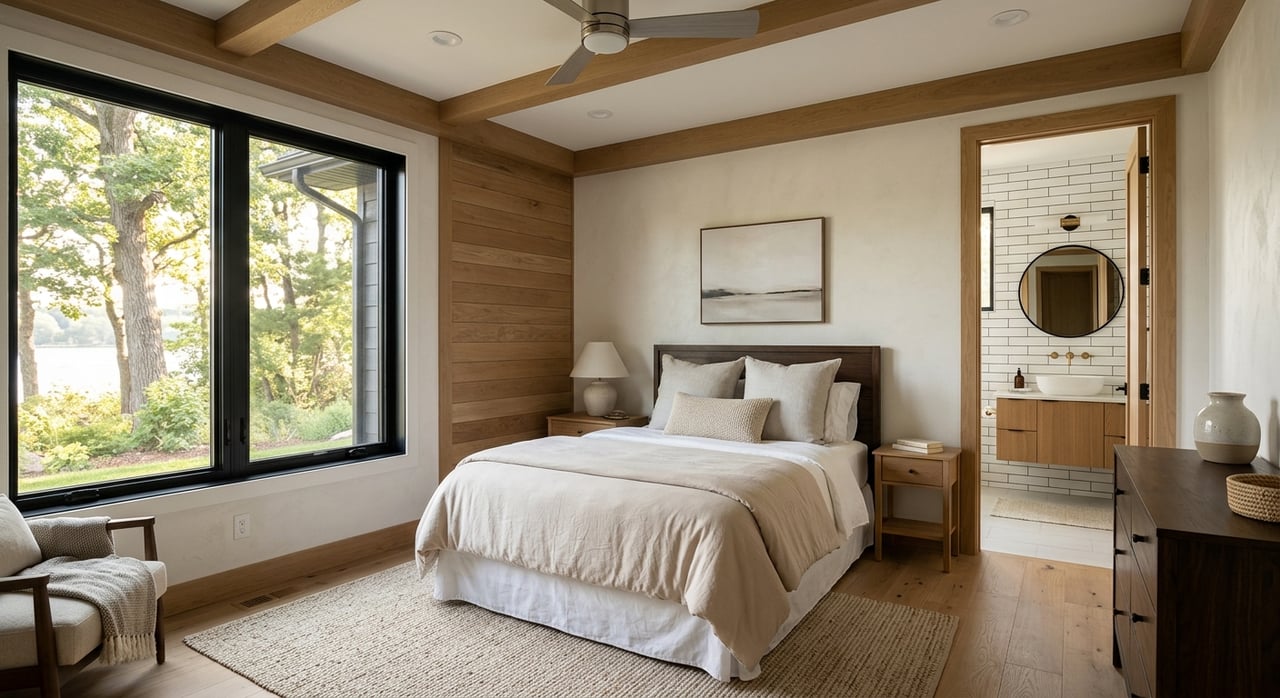
Many Lake Lanier homes are designed to bring the outdoors in, with large windows, sunrooms, and easy deck access. That style is part of the appeal, but it also makes a few safety details worth watching. Secure screens and window barriers can help protect cats, and cords or blinds should stay out of reach.
These details are especially useful in homes with lots of natural light and regular indoor-outdoor movement. A beautiful layout feels even better when it supports a safer routine for your pets.
Open layouts are popular in lakefront homes, but pet gear can pile up quickly. A built-in feeding station, a tucked-away bed nook, or dedicated storage for bowls, treats, and toys can help keep shared living areas organized. Small design choices like these help the home feel polished without sacrificing comfort.
For buyers who want a home that supports both entertaining and everyday family life, these details are worth noticing. They make the property easier to live in from day one.
If you have cats, indoor setup matters just as much as outdoor access. Cats need a clean, dry sleeping area, fresh water, and a litter box placed in a quiet, accessible location. In larger or multi-level homes, one litter box per floor is recommended.
That can make layout an important part of your home search. A flexible bonus room, laundry area, or low-traffic corner can be ideal for litter placement without interrupting the flow of the home.
For cat owners, a screened porch, enclosed sunroom, or catio-style setup can be a strong feature. Cats are generally safest indoors, but enclosed outdoor options can offer fresh air and stimulation in a more controlled setting. In a scenic lakefront home, that kind of space can add real lifestyle value.
This is especially appealing in homes with peaceful views and covered outdoor living areas. You get more usable space, and your cat gets a safer way to enjoy the environment.
A fenced yard is one of the most useful features for dog owners. Strong gates, repaired gaps, and barriers along the bottom of the fence can help keep dogs secure, especially if they like to dig or test boundaries. In a busy lake area with visitors, boats, and shoreline activity, containment matters.
Not every lakefront property has a traditional fenced yard, so it helps to think carefully about how the outdoor space functions. If a fence is not present, buyers often look for clear pet areas near the home that can support safer outdoor time.
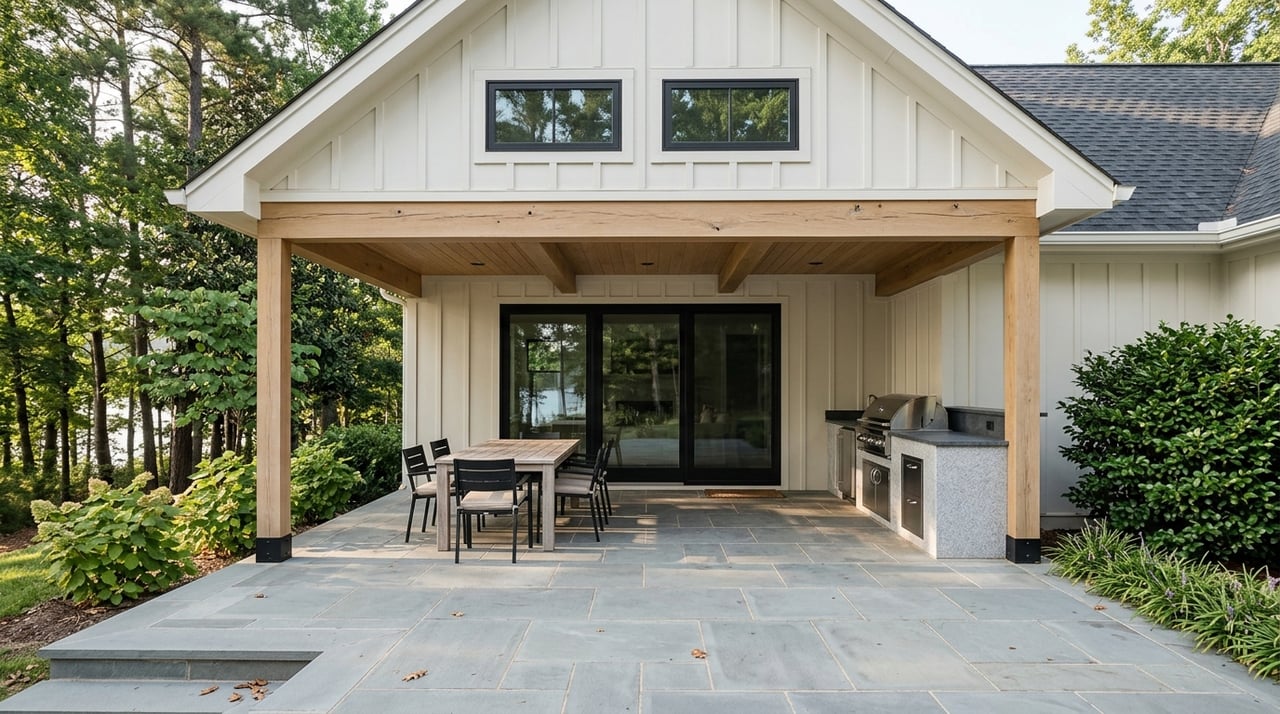
Dogs do not cool themselves efficiently in hot weather, so shade and fresh drinking water are basic outdoor needs. Around Lake Lanier, features like mature trees, covered patios, pergolas, and shaded decks can make a big difference during the warmest months. These are comfort features, but they are also practical ones.
When you tour homes, it is worth looking beyond the view and paying attention to how much usable shade the property offers. A beautiful backyard is even better when your pet can enjoy it comfortably.
Simple landscaping choices can improve safety and make maintenance easier. Keeping grass short, checking for ticks, and limiting access to mulch, compost, and wood piles can reduce common yard concerns. Since ticks are often attracted to wood piles, outdoor organization matters more than many buyers expect.
For pet owners, the best yard is not always the fanciest one. Often, it is the one that supports easier maintenance and a cleaner routine after outdoor play.
Some Lake Lanier homes also include pools, ponds, or decorative water features. If they do, fencing and supervision are important because dogs can drown or drink too much chlorinated water. A yard with multiple water access points may need a little more planning to work well for pets.
That does not mean avoiding those homes. It simply means looking at the property as a whole and asking whether the outdoor setup fits your pet’s habits.
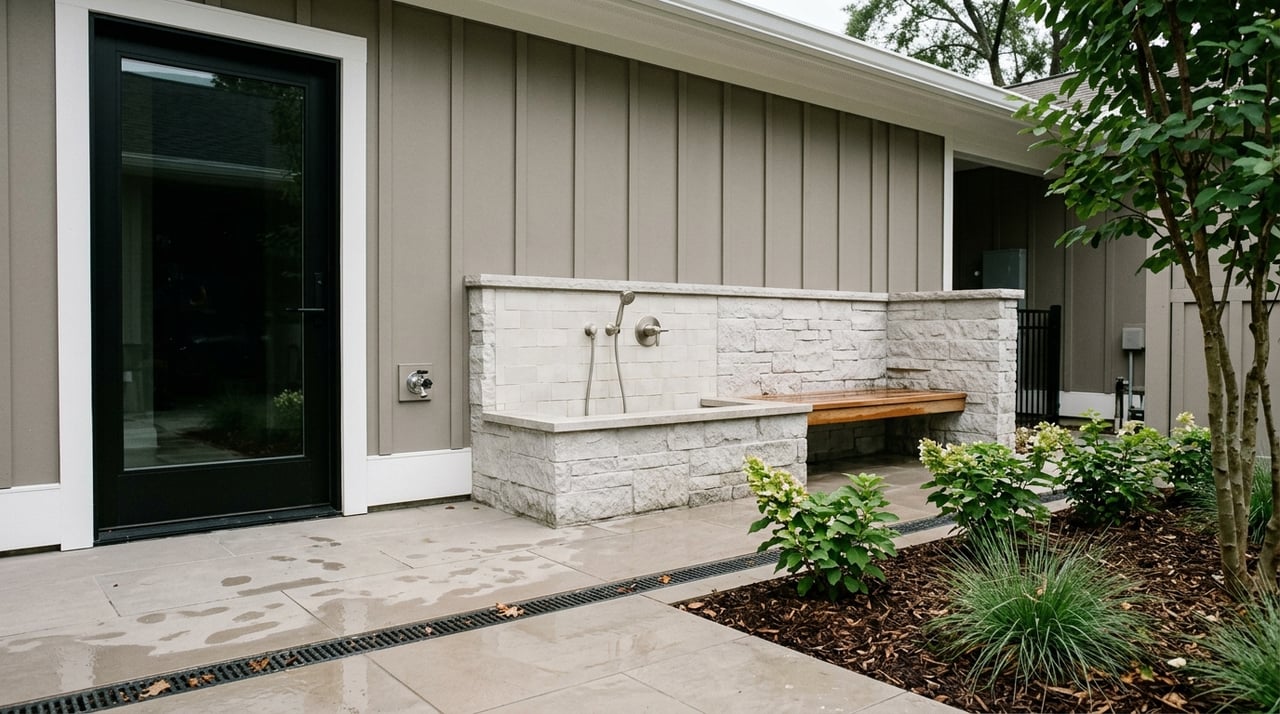
A hose bib, outdoor shower, utility sink, or rinse station near the dock, garage, or back entry can be incredibly useful in a Lake Lanier home. It gives you a quick way to wash off mud, sand, and lake residue before your pet comes inside. That kind of setup supports the easy, low-stress routine most lake buyers want.
It is also helpful from a water-safety standpoint. If water looks discolored, foamy, scummy, or smells unusual, pets should be kept away, and any animal that gets into suspected bloom water should be rinsed immediately with tap water.
For households that spend time boating or swimming, a small gear station near the dock can make outings smoother. A hook, bench, or storage bin for towels, leashes, and life jackets helps keep essentials in one place. It is a simple feature, but it supports a much more efficient routine.
Dogs should wear a properly fitted life jacket on boats or when swimming in deep water. Models with a snug fit and a handle are especially useful, so having a set storage spot near the launch area makes sense.
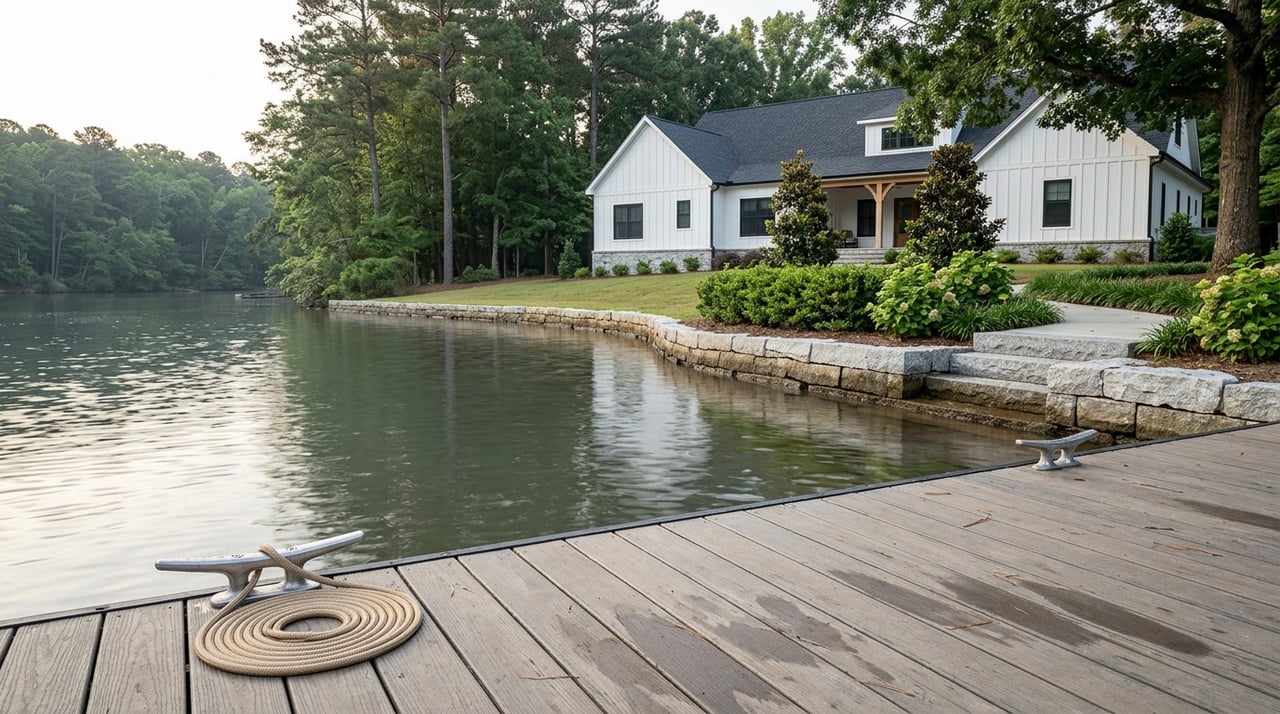
Because Lake Lanier water levels periodically fluctuate, shoreline access should work in a range of conditions. Non-slip transitions, practical dock steps, and easy-to-store gear often work better than highly fixed setups. This is one of those details that becomes more important once you live with the property day to day.
A home may have stunning water access, but the best setup is one that stays usable and manageable as lake conditions change. For pet owners, that flexibility can make outdoor time safer and less stressful.
Lake living also means paying attention to runoff and water conditions. Harmful algal blooms can appear as discolored water, scum, foam, mats, or paint-like streaks, and they can make pets sick. If the water looks or smells off, it is best to keep pets out.
Thoughtful lawn care matters too. Using only the recommended amount of fertilizer can help reduce nutrient runoff into nearby water. Around Lake Lanier, phosphorus runoff has been linked to algae growth, so this is one more reason practical maintenance choices can support a better lakefront lifestyle.
If you are searching for a pet-friendly home on Lake Lanier, a few features tend to make the biggest difference:
For cat owners, add these priorities to your list:
When a home supports your routine, it tends to feel easier, calmer, and more enjoyable right away. On Lake Lanier, that practical comfort is a big part of what turns a beautiful property into the right fit.
Whether you are looking for a full-time lakefront home, a second home, or a property that supports your everyday family life, details like these are worth paying attention to. If you want local guidance on finding a home that fits both your lifestyle and your pets, connect with Dani Burns.
We believe exceptional homes deserve exceptional representation. From exclusive properties to seamless negotiations, we represent every client with the care, precision, and elevated service luxury real estate demands.