June 11, 2026
A Lake Lanier home can be beautiful and still feel hard to book. Guests are not only looking for water views. They are looking for a place that feels easy, comfortable, and ready for a group from the moment they arrive. If you want your property to stand out, smart design choices can make a real difference in how your home lives, photographs, and performs. Let’s dive in.
Lake Sidney Lanier draws several million visitors each year and offers more than 690 miles of shoreline, 76 recreation areas, and 10 marinas. It is a major recreation destination, which makes the area a strong fit for homes that are built or updated with hosting in mind.
That does not mean every home should feel like a hotel. It means your layout, finishes, and outdoor spaces should support the way people actually use a lake house. When guests can sleep comfortably, store their things, and move easily from driveway to dock to kitchen, your home simply feels more bookable.
One of the first things guests evaluate is sleeping arrangement. If your home is meant to host families or groups, the floor plan should make that clear without feeling crowded or cluttered.
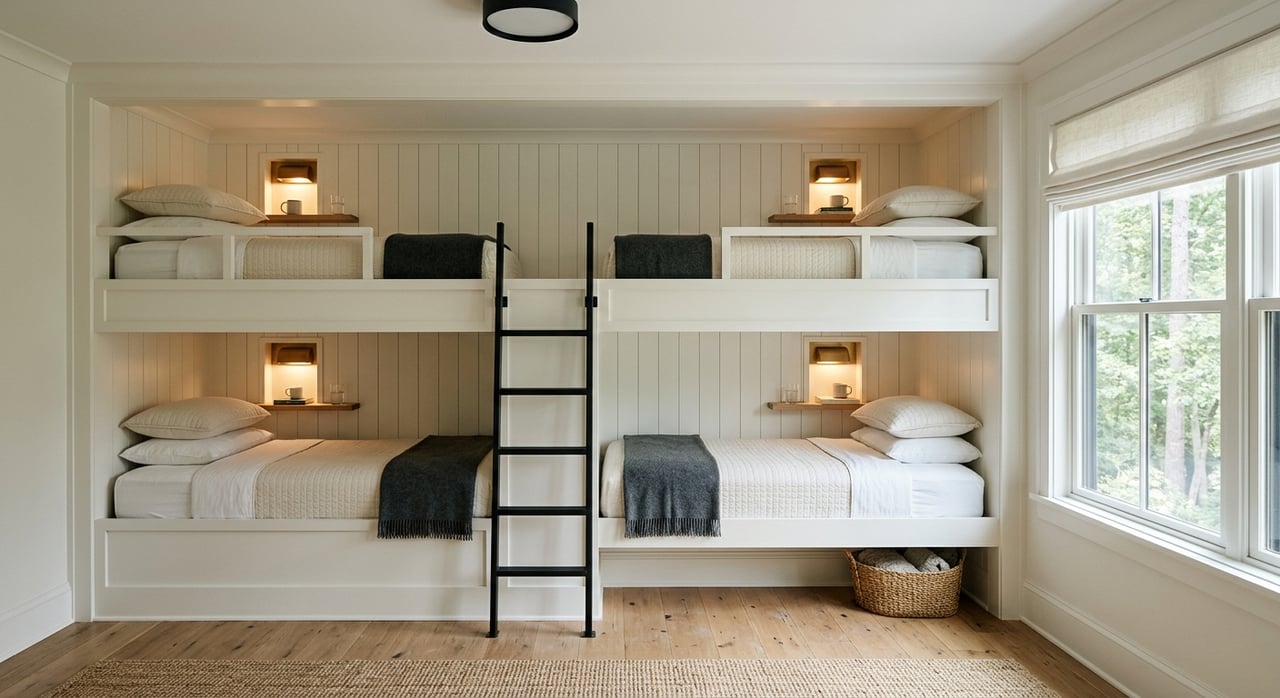
A strong Lake Lanier setup often includes a mix of private bedrooms and flexible sleeping space. That could mean a bunk room for kids or guests, a bonus room that works as a den and overflow sleeping area, or a lower level that gives larger groups room to spread out.
Bunk beds can help you increase sleeping capacity in a practical way. They also help a home appeal to larger groups without requiring every room to function as a full-time bedroom.
If you add extra sleeping space, keep it intentional. Guests still want open paths, usable surfaces, and room for luggage and personal items. A packed room may add beds, but it can make the house feel smaller.
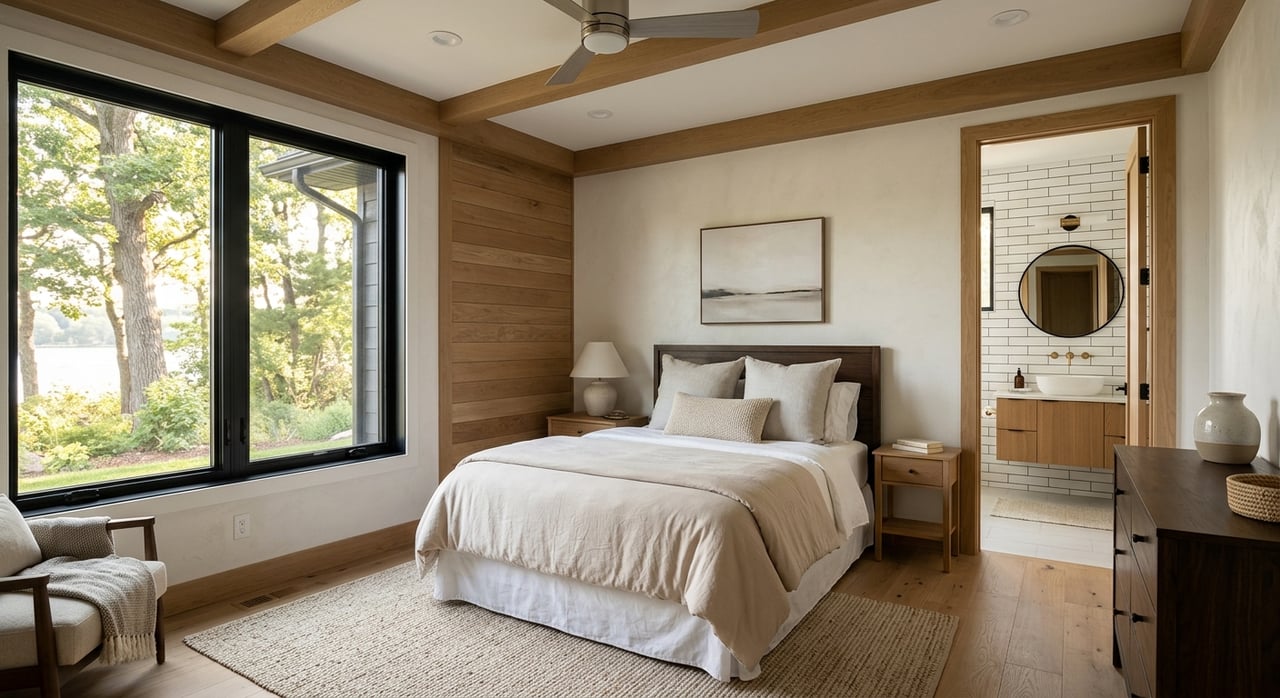
Even group travelers want privacy. A layout that includes a primary suite away from bunk areas or bonus spaces can make the home more comfortable for mixed-age groups, couples, or multi-family stays.
You should also leave open closet space and empty drawers in guest rooms. When guests can unpack and settle in, the home feels cared for and easy to use.
Clutter can quickly make a lake house feel high-maintenance. A guest-ready home works best when essentials are easy to find and everyday mess has a place to go.
That starts with practical storage near the entry, kitchen, and sleeping areas. Think hooks for towels, baskets for blankets, and cabinets or shelving that keep supplies organized instead of scattered.
Wet towels, swimsuits, sandals, and bags need a home. A mudroom, laundry area, or dedicated storage bench near a side entry can help contain the mess that comes with a day on the water.
This is especially useful in a humid lake environment. It helps keep moisture and clutter from spreading into the main living areas.
A concise house manual can make the stay feel smoother from day one. It can explain where basics are located, how parking works, how to use appliances, and what guests should know about the home.
That small touch reduces confusion and helps guests feel comfortable without needing to search through drawers or message with simple questions.
Lake living is beautiful, but moisture is part of the equation. Design choices that look great and hold up well in humid conditions can reduce wear, support easier turnover, and help the home stay fresh over time.
Guidance for hot, humid climates emphasizes moisture control through leak prevention, ventilation, dehumidification, and climate-appropriate materials. For a Lake Lanier home, that should influence both your renovation choices and your furnishing plan.
Flooring matters in a home where wet feet and lake gear are part of normal life. Easy-dry hard surface flooring is often more practical than materials that trap moisture.
You should be careful with carpet over concrete in areas where moisture may linger. In many lake homes, washable rugs can give you softness and warmth while still being easier to clean and maintain.
The best guest-ready interiors balance style and practicality. Wipeable counters, durable upholstery, and easy-clean dining surfaces can make the home feel polished without adding stress between stays.
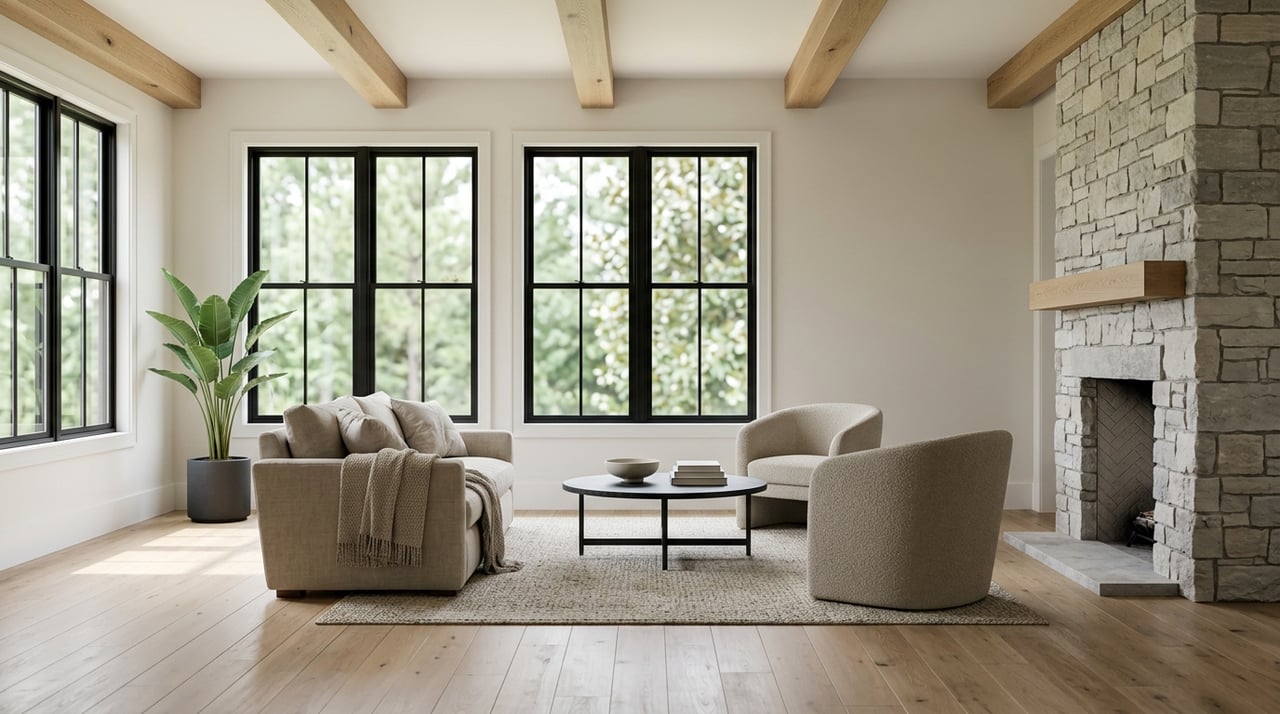
That does not mean the design needs to feel overly plain. You can still create a warm modern lake-house look with wood tones, painted neutrals, stone accents, and comfortable seating that is built for real use.
Bathrooms, kitchens, and laundry zones need to work hard in a busy lake house. Exhaust fans, proper dryer venting, air conditioning, and dehumidifiers can all support moisture control.
If you are updating a property, these behind-the-scenes features deserve as much attention as the visible finishes. They help protect the home and improve everyday comfort for guests.
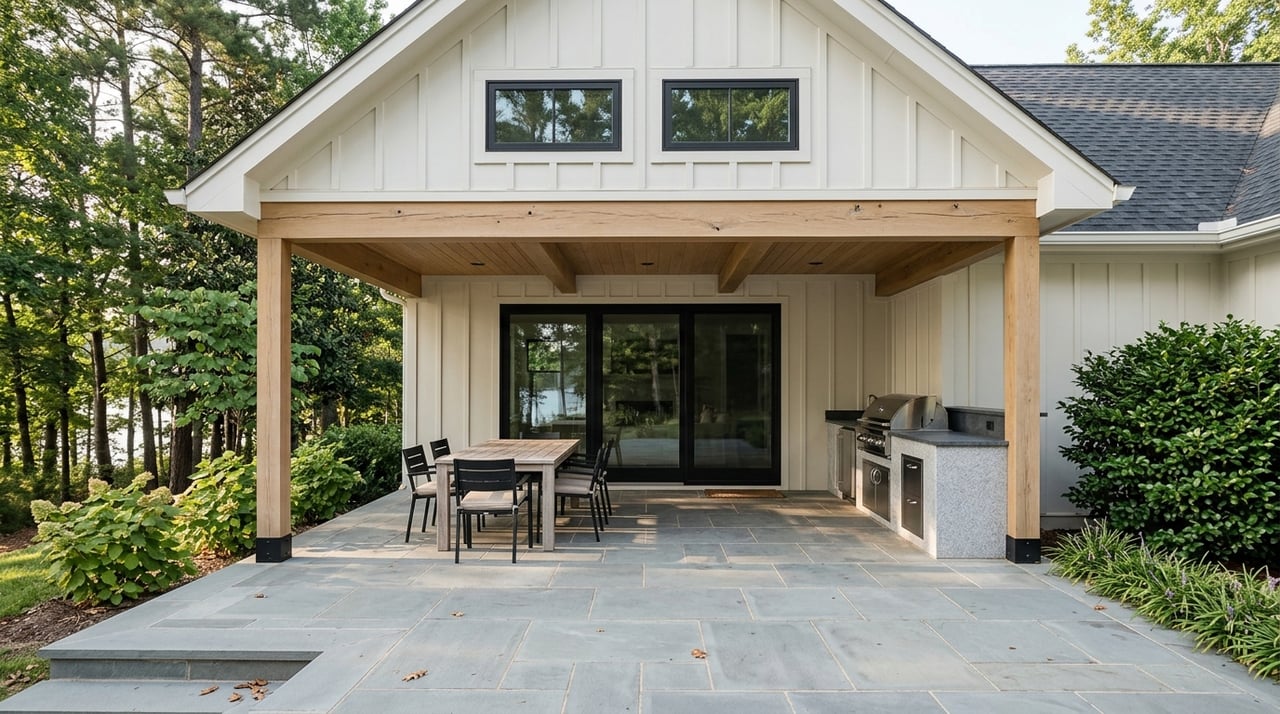
At Lake Lanier, the outdoor experience is a major part of the stay. Guests are not only booking bedrooms. They are booking mornings on the deck, easy grilling after a lake day, and places to gather outside.
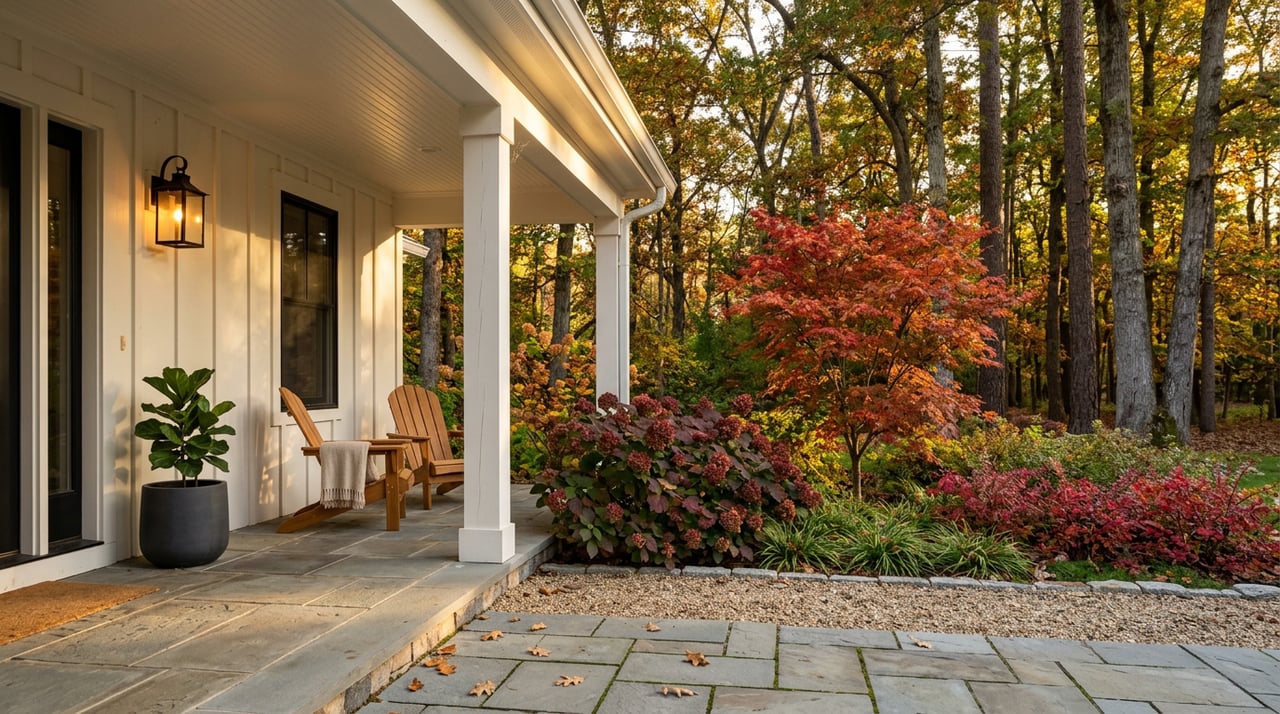
That is why your exterior should function like an extension of the home. Comfortable seating, durable dining furniture, and shaded areas can make outdoor space feel useful instead of decorative.
Think through how guests actually move through the property. A clear path from the driveway or dock to the kitchen or mudroom can make arrivals and lake days much easier.
You should also create obvious places to rinse off, hang towels, and store gear. These practical touches help the home feel intuitive and reduce wear inside.
Guests often search for practical features first. Commonly searched amenities include wifi, free parking, air conditioning or heating, kitchen access, washer or dryer, TV, BBQ grill, self check-in, pools, and hot tubs.
Even if your property is highly design-forward, convenience still matters. Basics like towels, pillows, linens, soap, and toilet paper should feel easy and abundant, not like an afterthought.
The first few minutes at a property shape the whole experience. If parking is confusing, entry is awkward, or the house number is hard to spot, the stay can start with frustration.
A guest-ready Lake Lanier home should have a clear arrival sequence. Parking should be easy to understand, the entry should feel visible and welcoming, and essential information should be simple to access.
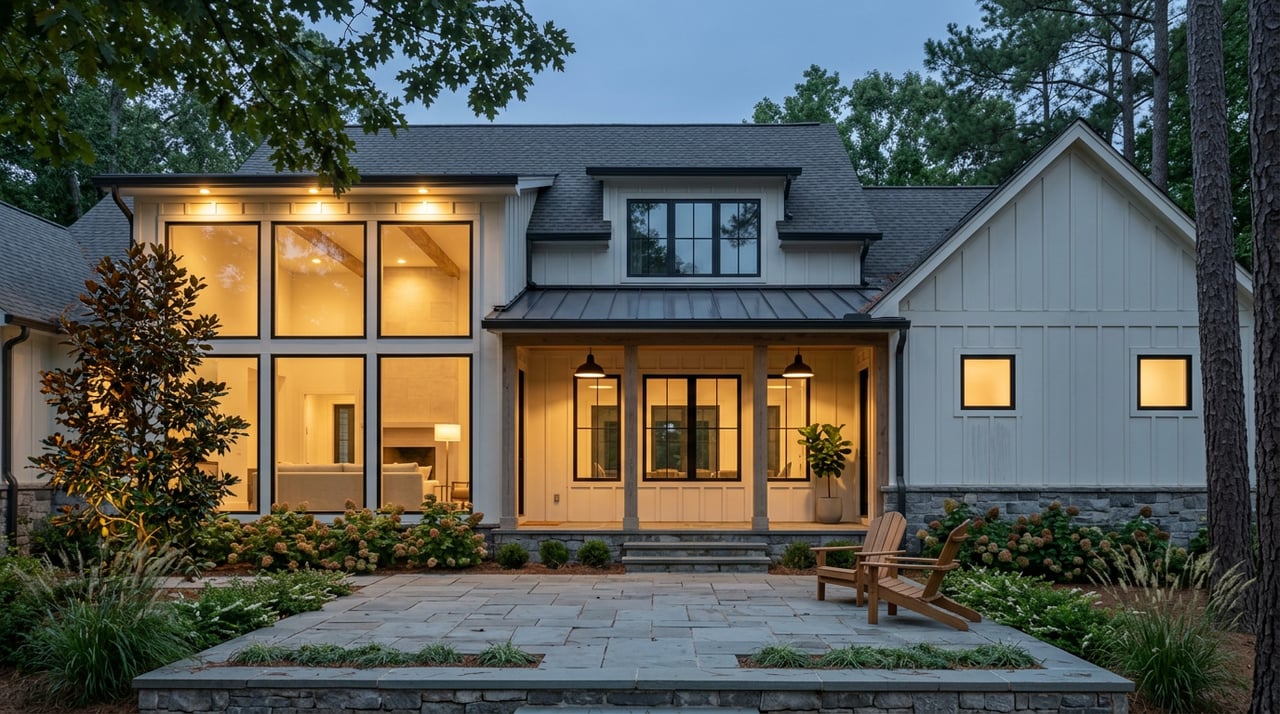
If your property setup allows for self check-in, design should support that process. Good exterior lighting, a visible entry path, and clear numbering can make a big difference.
Inside, guests should quickly find wifi information, key house details, and the basics they need to settle in. A smooth arrival often sets the tone for better reviews and repeat bookings.
A beautiful guest-ready design does not automatically make a property short-term-rental ready. Around Lake Lanier, rules can vary based on where the property is located, and that should shape your plans before you invest heavily in updates.
Hall County defines short-term rentals as stays from 2 to 30 nights and permits them in residential zoning districts, but it also requires licensing, inspection, a visible house number, one reservation at a time, and it does not allow the property to be advertised as an event venue. Forsyth County has a narrower ordinance that applies only to certain parcels with a conditional use permit and includes local contact, occupancy, parking, noise, and event-use restrictions.
Before marketing a home as rental-ready, confirm zoning, HOA covenants, and any applicable county requirements. This is especially important if you are buying with investment goals in mind.
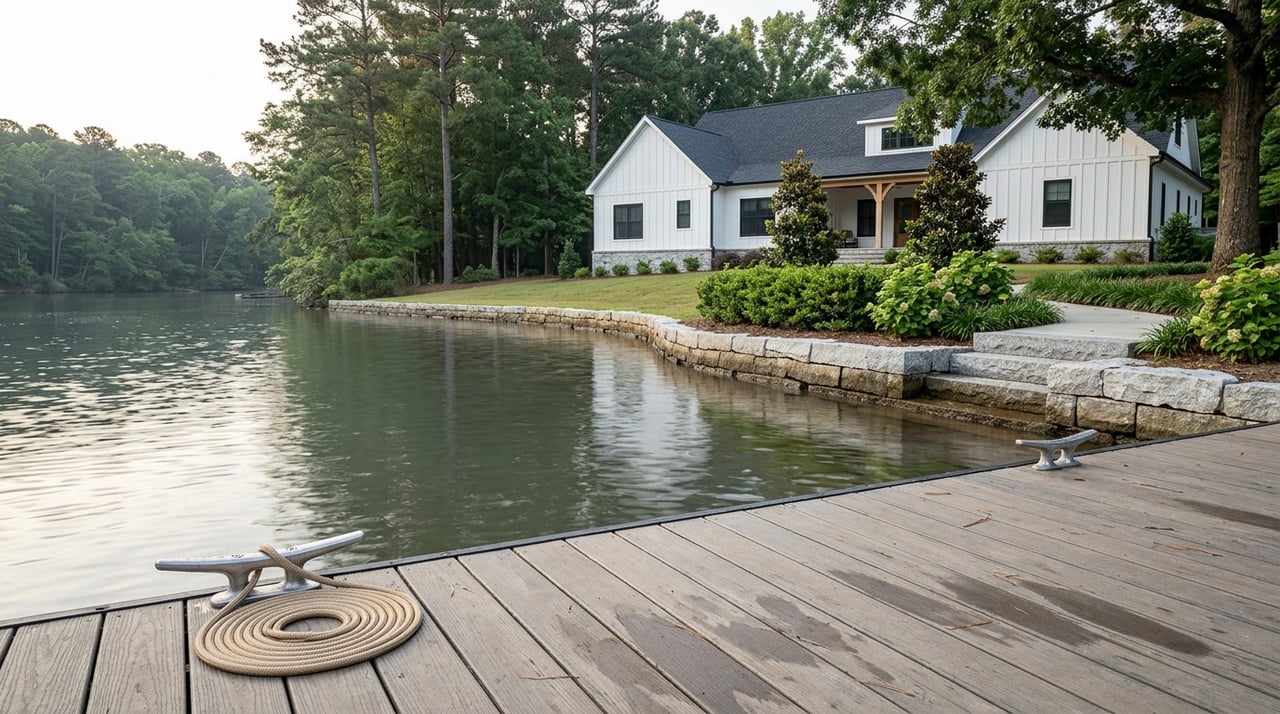
For waterfront features, you should also verify whether docks, steps, walkways, patios, access roads, or shoreline improvements require approval. At Lake Lanier, shoreline permits may apply, and work on public property must be approved first.
Some owners picture a lake house as a natural fit for parties or large gatherings. But local rules may limit how the property can be used and advertised.
That is why smart design should go hand in hand with due diligence. The goal is not just to create a home guests would love. It is to create one that fits the property’s legal and physical realities.
If you are deciding where to spend money, focus first on updates that improve comfort, function, and durability. These choices often have more practical value than overly specialized design features.
Here are a few upgrades that can make a Lake Lanier home feel more guest-ready:
The most appealing Lake Lanier homes rarely succeed because of one dramatic feature alone. They work because the whole property feels thoughtful, comfortable, and simple to enjoy.
When you pair good layout decisions with durable finishes, useful amenities, and a realistic understanding of local rules, your home can feel both elevated and practical. That is the kind of property guests remember, and the kind of strategy that can help owners and investors make smarter real estate decisions.
If you are thinking about buying, selling, or preparing a Lake Lanier property for guest use, local insight matters. Connect with Dani Burns for trusted guidance on Lake Lanier real estate, from lifestyle fit to property potential.
We believe exceptional homes deserve exceptional representation. From exclusive properties to seamless negotiations, we represent every client with the care, precision, and elevated service luxury real estate demands.