March 26, 2026
Is that HOA clubhouse, pool, or private dock worth the dues when it comes time to sell your Lake Lanier home? If you are weighing two properties with different amenity packages, the value impact can feel confusing. You want lifestyle, but you also want a smart investment. In this guide, you will learn how HOAs and community amenities tend to affect pricing around Lake Lanier, what to verify before you pay a premium, and how to market these features when you sell. Let’s dive in.
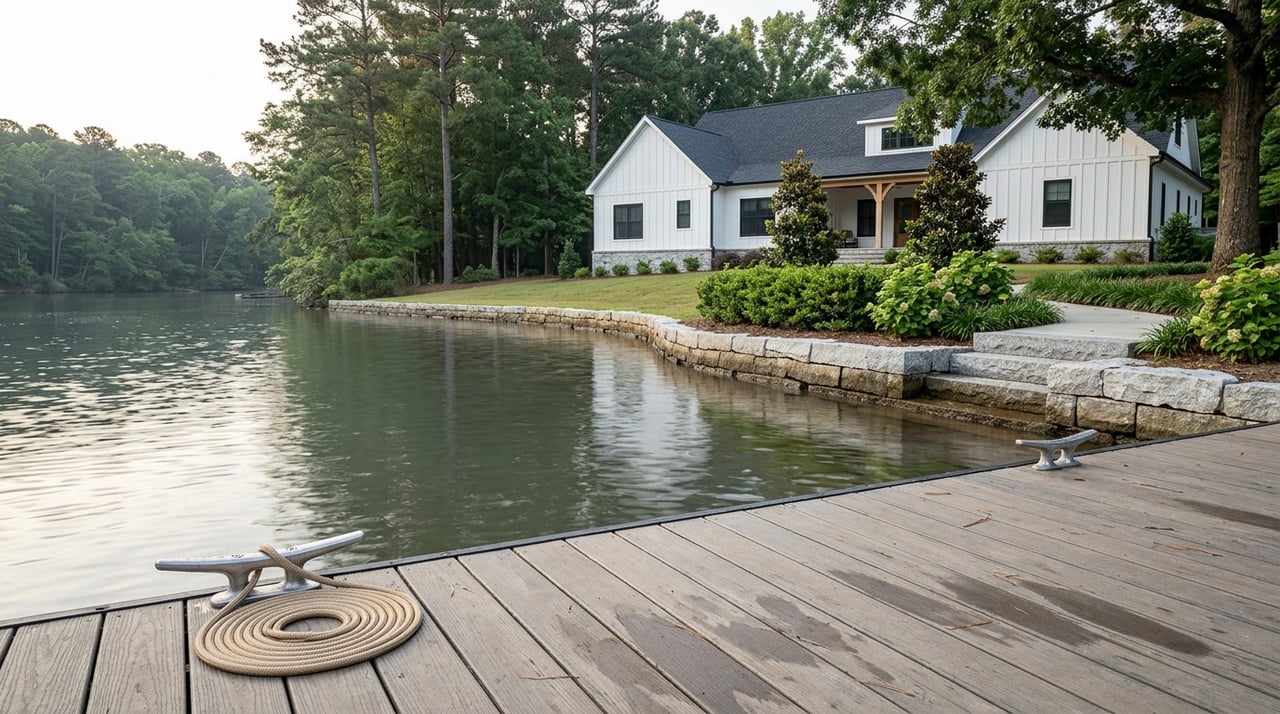
Lake Lanier is a U.S. Army Corps of Engineers reservoir. The Corps manages shoreline use and issues permits for docks and other shoreline improvements through its Shoreline Management Plan. Those rules directly affect whether a property can have a private dock and whether existing rights transfer with a sale. You can review permitting and shoreline rules in the Corps’ official guidance for Lake Sidney Lanier Shoreline Management.
Different parts of the lake have different pricing patterns. Main-lake frontage, quiet coves, marina-oriented neighborhoods, and off-water lots with community access all live in separate micro-markets. The most consistent value driver here is usable, permitted lake access paired with lifestyle amenities that reduce hassle and increase daily enjoyment.
For many Lake Lanier buyers, a private permitted dock or a deeded marina slip is the most sought-after amenity. The premium comes from convenience, season length, and scarcity. Key drivers you should verify include:
Because rules and site conditions vary, the dollar impact is meaningful but highly variable. To evaluate any specific property, start with the Corps’ Shoreline Management Plan resources and confirm details with current local sales.
Academic research consistently finds that proximity to water views, parks, trails, and recreation facilities supports price. Studies of greenways and open space show positive premiums, often in the low single digits, especially when trails connect to quality recreation or open space. For background on these effects, see this synthesis of amenity impacts in residential markets on ScienceDirect and work highlighting measurable price effects for neighborhood pools and courts via IDEAS/RePEc.
Around Lake Lanier, community pools and beaches create lifestyle value where private shoreline is scarce or expensive. Trails and maintained greenbelts extend year-round utility for buyers who enjoy the outdoors even when they are not boating.
Gated communities and enhanced security are associated with measurable premiums in many markets, though the size of the effect depends on context and community scale. Some studies find stronger premiums in medium-sized gated neighborhoods and variability over time. For a summary of findings, review the Journal of Real Estate Research study on gated community premiums.
On Lake Lanier, privacy-oriented enclaves can be especially attractive to high-net-worth buyers, and gates often come bundled with clubhouses, pools, tennis, and dock systems. The combined package, not one feature alone, tends to drive the largest premiums.
Community associations are widespread, and many homeowners say association rules help protect property values. The Foundation for Community Association Research offers national context on prevalence and owner perceptions in its Fact Book and Statistical Review.
Empirical studies often find a small but measurable price premium for homes in HOAs. One widely cited analysis reports an average premium around 4 to 5 percent for single-family homes, with variation by region, community age, and local service levels. You can read the abstract of this study on ScienceDirect.
The market weighs dues against benefits. Higher dues may fund more amenities, staffing, and reserves, which can support property values when well managed. Underfunded reserves can lead to special assessments, which many buyers and lenders view as a risk that can suppress demand. For clear, practical context on HOA budgeting and reserves, see the reserve and governance guidance from FirstService Residential.
In short, a well-run HOA that maintains attractive amenities and keeps adequate reserves can support value. An HOA that defers maintenance or lacks transparency can harm marketability.
HOA rules directly shape the buyer pool. Caps on rentals, guest policies for docks and amenities, boat restrictions, and parking rules influence how residents and investors can use the property. There is no one-size-fits-all answer. The right balance depends on your goals, but clarity and consistent enforcement tend to build trust in the community.
If you are considering an amenity-rich home or HOA community on Lake Lanier, use this quick due-diligence list:
HOA governance and finances
Dock and shoreline verification
Rules that affect use and liquidity
Risk and insurability
If you are selling a Lake Lanier property with strong amenities, present clear, verifiable facts. Buyers and appraisers respond to specifics, not generalities.
List objective lake and dock details
Showcase community assets
Document HOA strength
Use comps that isolate the amenity
Elevate presentation
Local full-time buyers
Second-home and seasonal owners
Retirees and lifestyle-focused buyers
Across all segments, the common theme is utility you can feel week to week. Amenities that are easy to use, well maintained, and supported by transparent HOA governance tend to hold value best.
Amenities and HOAs can work in your favor if you verify the details up front and position them clearly when you sell. If you want a tailored read on how a dock permit, community pool, clubhouse, or gated entry could affect your specific property’s value, connect with a local expert who lives and works on the lake. To talk through options or request a pricing strategy, reach out to Dani Burns. Ready to list or compare homes? Get your custom plan and get your home’s value.

We believe exceptional homes deserve exceptional representation. From exclusive properties to seamless negotiations, we represent every client with the care, precision, and elevated service luxury real estate demands.