January 22, 2026
Are you eyeing a Lake Lanier home and wondering if you’ll need a jumbo loan? You’re not alone. Waterfront properties often sit above typical price points, and financing them comes with a few extra steps. In this guide, you’ll learn what counts as a jumbo loan in Georgia, what lenders expect, how lake-specific issues like docks and flood zones affect your approval, and how to plan your timeline. Let’s dive in.
A jumbo loan is any mortgage amount that exceeds the conforming loan limit set by the Federal Housing Finance Agency. For 2024, the baseline limit for a one-unit property is $766,550 in most counties. If your loan amount is above the applicable county limit, you’re in jumbo territory.
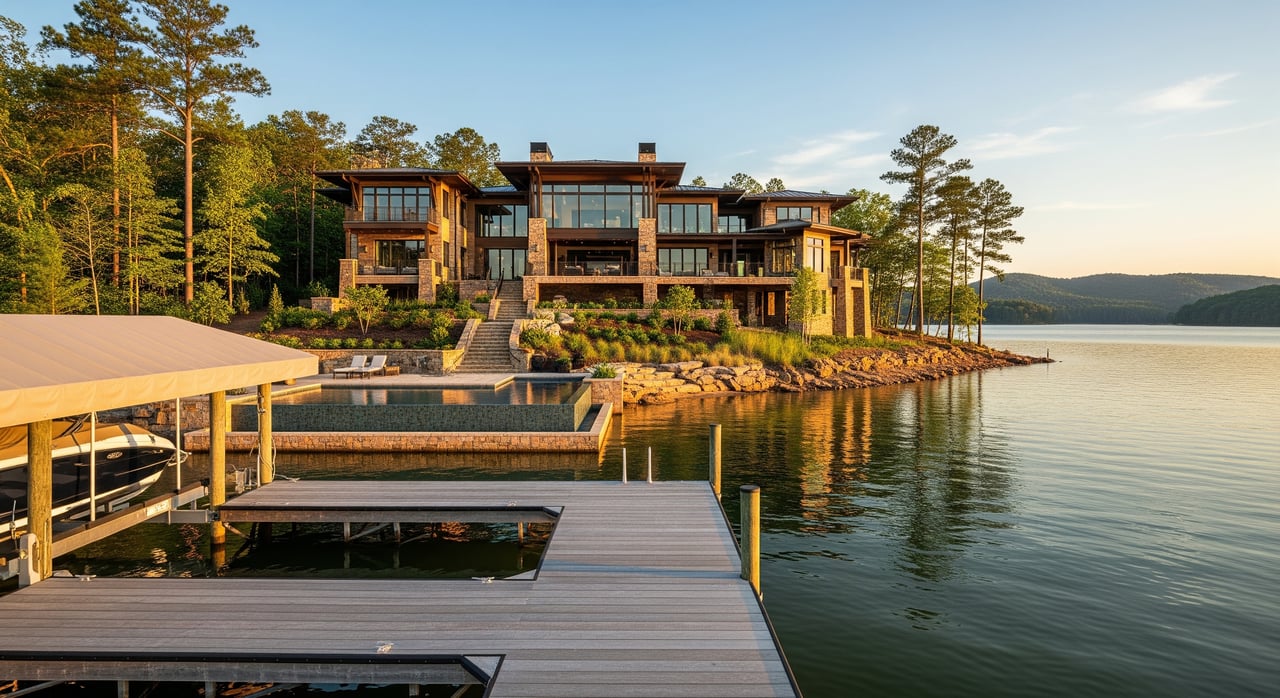
Lake Lanier spans several counties, including Hall, Forsyth, Dawson, Lumpkin, Gwinnett, and Cherokee. Identify the county for your target property, then compare your expected loan amount to that county’s conforming limit. Because lakefront homes often carry premiums for shoreline, views, and docks, many purchases here require jumbo financing.
Jumbo loans usually come with tighter standards than conforming loans. Expect more documentation, closer review of your finances, and a longer processing timeline. Strong credit and well-documented assets make a big difference in pricing and speed.
Lenders often look for scores in the 720–760+ range for best terms. They also review your credit history carefully and may use more manual underwriting. Clean payment history and limited recent debt changes help your case.
Plan for 20–30% down on primary residences to access better rates and terms. Second homes and investment properties often require higher down payments. Higher loan-to-value ratios can trigger stricter documentation or price adjustments.
Many jumbo programs require 6–12 months of mortgage payments in reserves for a primary residence. Second homes or investment properties can require 12 months or more. You’ll verify reserves with bank, brokerage, or retirement account statements.
Expect tighter debt-to-income limits, often 36–43 percent. Strong liquid assets and stable income can support exceptions. Lenders weigh overall cash flow and reserves when deciding.
Gather full documentation early. That includes W-2s, recent pay stubs, and bank statements. If you are self-employed or have complex income, plan to provide two years of personal and business tax returns, K-1s, and additional schedules.
Luxury and waterfront properties can be tricky to value. Comparable sales may be limited and unique features can complicate the appraisal.
Lenders may require a more detailed appraisal or even a second opinion. Features like a private dock, boathouse, steep lots, and shoreline condition all affect value. Build in extra time for scheduling, valuation discussions, and potential renegotiation if the appraisal comes in low.
Expect closer scrutiny of items that affect marketability and habitability. Private wells, septic systems, shoreline structures, and road access can trigger inspections or repairs. Clear documentation and permits for docks and improvements help keep your loan on track.
Lake properties often need specialized coverage and careful budgeting.
If the home sits in a FEMA Special Flood Hazard Area, flood insurance is mandatory for federally regulated lenders. Even outside mapped zones, lenders want proof of adequate hazard coverage, and many buyers add endorsements for docks and boathouses. Private flood insurance may be acceptable if it meets lender requirements.
Property taxes in Georgia are assessed at the county level, and lakefront parcels often have higher assessed values. Federally, mortgage interest deductibility is subject to current IRS limits for new loans and the $10,000 cap on state and local tax deductions. Speak with a tax advisor about your specific situation.
Your intended use matters. Lenders price and underwrite primary residences, second homes, and investment properties differently. If you plan short-term rentals, confirm local zoning, HOA rules, and lender guidelines early, since many lenders limit properties used primarily as short-term rentals.
You have options, and shopping matters more at jumbo sizes.
Jumbo loans are commonly held in a lender’s portfolio rather than sold to agencies. You can work with national and regional banks, credit unions, mortgage brokers, or private banks and wealth managers. Portfolio lenders may tailor terms to complex properties or income profiles.
Jumbo rates often track close to conforming rates for well-qualified borrowers, but pricing can vary with higher LTVs, lower credit scores, or unique properties. Comparing multiple quotes can uncover meaningful savings.
If your income is nontraditional, some lenders offer non-qualified mortgage options like asset depletion or bank statement loans. These programs can help high-asset or self-employed buyers, though they often carry higher rates or different terms. PMI is limited for jumbo loans, so larger down payments are common.
Plan ahead to match your offer strategy to your closing target.
Both routes can work well, depending on your goals and liquidity.
If you want a Lake Lanier home and prefer a confident, well-paced process, you do not have to navigate it alone. As a long-time lake resident and luxury-certified Realtor, Dani helps you line up the right lender, appraisal strategy, and insurance plan before you write an offer. When you are ready, connect with Dani Burns for local guidance tailored to your goals.






We believe exceptional homes deserve exceptional representation. From exclusive properties to seamless negotiations, we represent every client with the care, precision, and elevated service luxury real estate demands.