
November 21, 2025
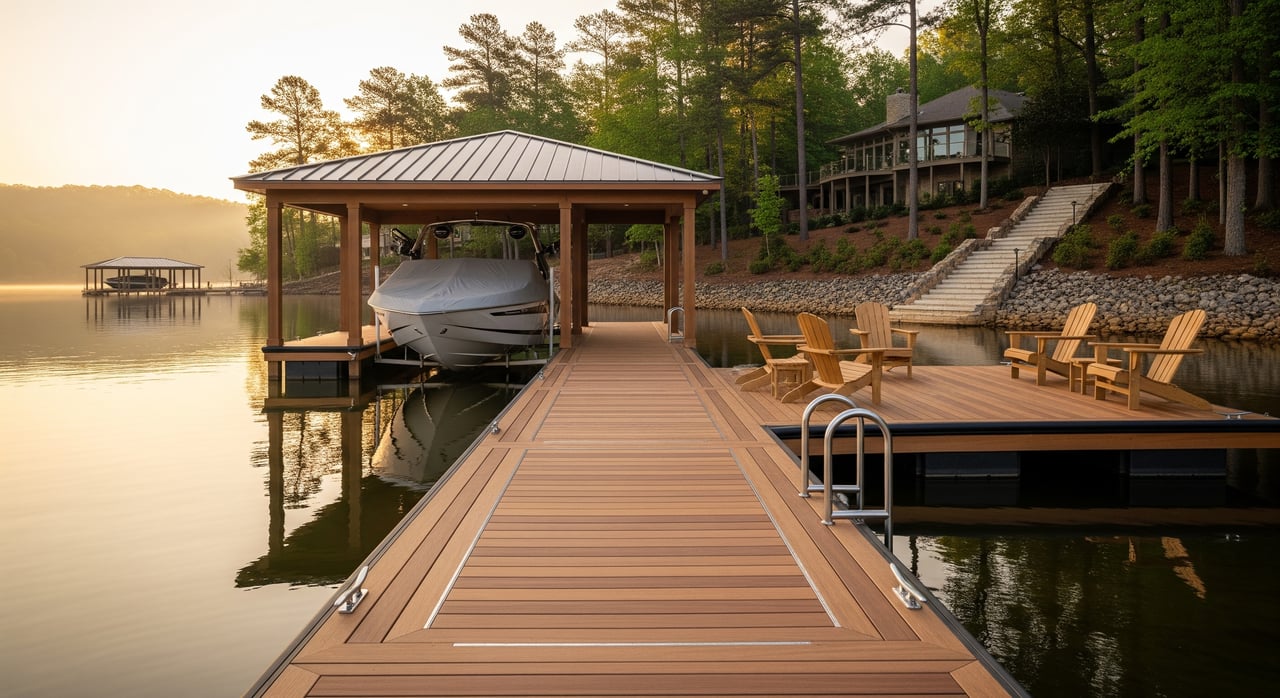
Shopping for a Lake Lanier home and wondering if the dock truly “comes with it”? You are not alone. On Lake Lanier, the dock permit can shape your daily use, your insurance, and even your closing timeline. In this guide, you will learn who manages docks, how permits transfer, what to watch for in the documents, and the steps to protect your purchase or sale. Let’s dive in.
The U.S. Army Corps of Engineers manages the shoreline and is the primary authority for private docks on Lake Lanier. The Corps issues dock permits, sets conditions, and enforces compliance on federal lands and waters around the lake. If you have a specific question about a parcel or a dock, start with the Corps’ records first.
Counties and homeowner associations can also have rules that apply on the upland property. Local governments may require approvals for setbacks, erosion control, or other items. If the home is in an HOA community, covenants may include additional dock limits or processes.
Other agencies like the Georgia Department of Natural Resources may be involved for activities that affect wetlands, water quality, or navigation. Floodplain and stormwater rules may apply in certain cases. The practical path is simple: verify with the Corps, then check county and HOA requirements.
Corps permits or authorizations for docks usually contain key details that define what you can do on the water. You will want to review these closely during due diligence.
A permit authorizes use, not condition. It does not guarantee the dock’s structural safety, so you should still schedule a physical inspection. A Corps permit also does not replace local zoning or HOA rules. Confirm local compliance separately.
Most lake homes will be tied to a private residential dock permit that serves a single property. Commercial docks and marina permits exist but follow different, more detailed regulations. You may also encounter temporary or emergency authorizations for short-term work or repairs.
The size and features of each dock are constrained by what the permit specifically authorizes. If you are hoping for a larger footprint, a covered slip, or a lift, you will need to confirm whether those features are already permitted or if they would require additional approvals.
Many residential dock permits are intended to transfer when the upland property changes hands. That process typically requires notifying the Corps and following its procedures. Some permits are non-transferable or have conditions for assignment, so you should never assume transfer is automatic.
If a permit has expired or the recorded permit holder does not match the current owner, the buyer may face extra steps to correct the record. Significant reconstruction can be treated like new construction that triggers further review. Older legacy docks may remain under existing rules only if they are maintained. Major replacement can bring them under current standards.
Unpermitted docks face real enforcement risk. The Corps can order removal and assess penalties for unauthorized structures. Buyers who close on a property with an unpermitted dock inherit the risk and potential costs. Lenders, title companies, or insurers may require resolution before closing.
A valid, transferable permit with room for the features you want usually boosts a lake home’s marketability and value. A larger dock or multiple slips can increase utility compared to a restricted or single-slip dock. On the other hand, uncertainty or violations can reduce value and cause buyers or lenders to pause.
Permit details also shape your day-to-day use of the lake. The number of slips, whether a roof or lifts are allowed, and any seasonal or safety conditions all matter. Some permits include requirements for how docks are anchored or maintained, which affects upkeep and usability.
Insurance providers often ask about permit status and dock condition. An unpermitted or unsafe dock can be difficult to insure or may lead to higher premiums. It is smart to review your homeowner’s and umbrella liability coverage and discuss any requirements tied to dock structures.
Use this simple checklist to avoid surprises:
Key questions to ask:
If anything looks unclear, contact the Lake Lanier Project Office of the U.S. Army Corps of Engineers to verify status and transfer procedures. Then check the county planning office and your HOA for any added approvals.
Sellers who prepare early reduce risk and build buyer confidence:
You can help streamline the transfer by sharing clear instructions from the Corps on how to notify and complete the process. When you remove uncertainty, you protect your sale price and timeline.
Discuss these protective steps with your real estate professional and closing attorney:
These items set clear expectations and keep both sides focused on resolution. They also reassure lenders and insurers that the dock is properly authorized.
Because Lake Lanier crosses multiple counties, local requirements vary by location. Counties may have rules on setbacks, stormwater, erosion control, or other site conditions. HOAs might limit slip counts or materials, or require architectural review.
A Corps permit does not override local rules. Confirm county and HOA items early, especially if you plan changes to the dock. If the home sits in a community with shared shoreline amenities, ask for the governing documents that describe use and maintenance responsibilities.
When you review the permit packet, look for a few items first:
If the drawing does not match the current structure, clarify what changed and whether a modification was permitted. Documenting this early prevents closing delays and helps you set the right expectations with your insurer.
A little organization goes a long way. The more you confirm upfront, the more confident you will feel about your lake lifestyle on day one.
If you are buying or selling on Lake Lanier, clear dock permit guidance can protect both your time and your equity. A knowledgeable local agent can help you gather the right documents, ask the right questions, and coordinate with the proper offices so your transaction stays on track. When you are ready to talk lakefront strategy, reach out to Dani Burns for local insight and calm, start-to-finish support.






We believe exceptional homes deserve exceptional representation. From exclusive properties to seamless negotiations, we represent every client with the care, precision, and elevated service luxury real estate demands.