January 15, 2026
Pricing a lake home is not the same as pricing a suburban house across town. On Lake Lanier, small differences in water access and dock features can swing value by six figures. If you want to price with confidence, you need a plan that goes beyond square footage and recent neighborhood sales. In this guide, you will learn which lake-specific features drive value, how to choose the right comparables, and what to do before you list to protect your price. Let’s dive in.
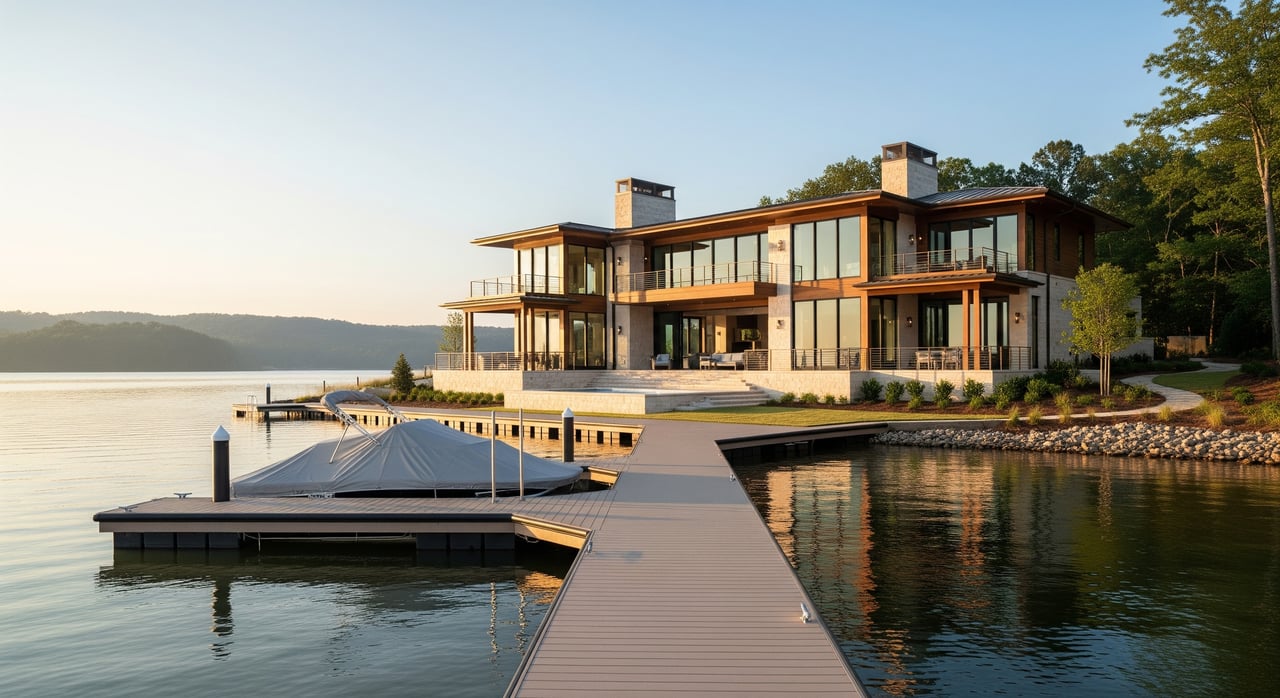
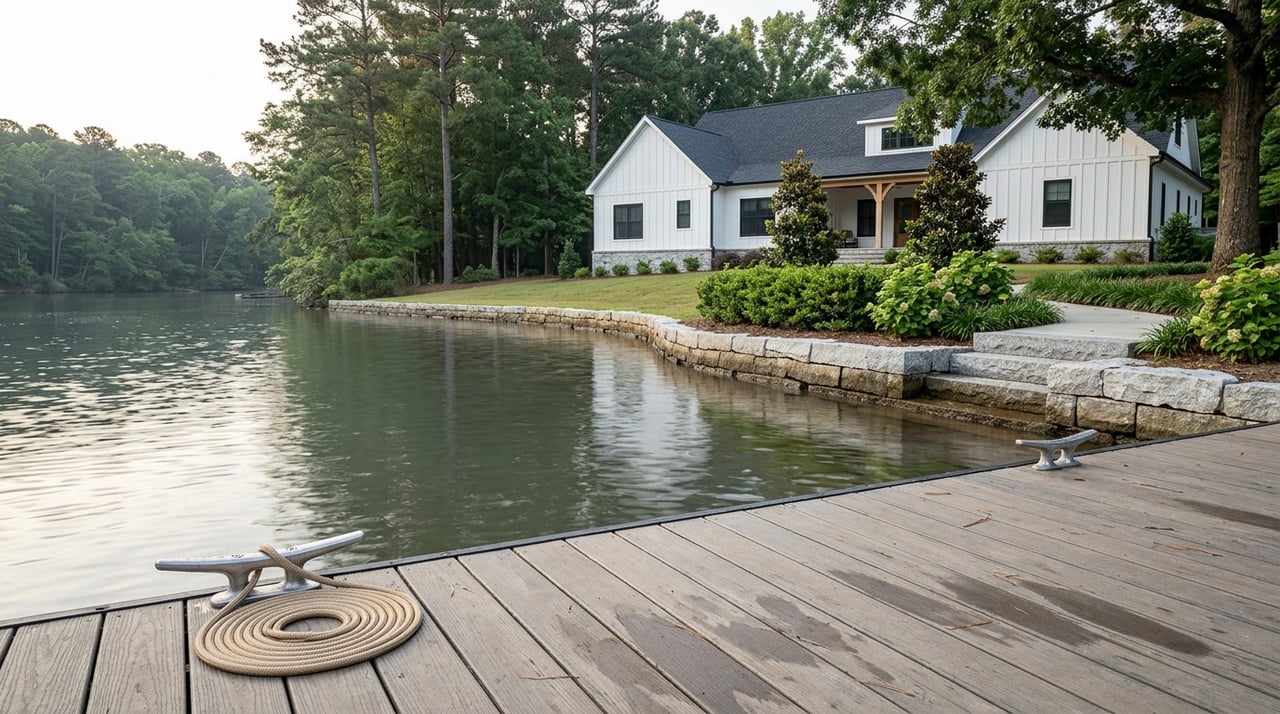
Your dock is often the single biggest driver of lakefront value. Buyers look for docking that matches their boating plans, including covered slips, a boat lift, and easy access from the house. A newer, well-maintained, and permitted dock usually supports stronger pricing. If a dock is missing, in poor shape, or unpermitted, expect buyers to discount for repair, replacement, or compliance.
Depth at the dock matters, especially at lower seasonal lake levels. Deeper water supports a wider range of boats and steadier year-round use. If water is shallow or variable, buyers may push for a price adjustment or request dredging estimates. Confirm depth at normal pool and at low pool so your pricing and marketing are accurate.
Open views along the main channel or across wide water resonate with many buyers. Obstructions from trees or adjacent structures can reduce perceived value, especially during leaf-on months. Seasonal view changes are real, so account for both leaf-on and leaf-off visibility when comparing properties.
Main channel locations can offer larger vistas and quick navigation, along with more boat traffic and lights at night. Coves are quieter and more sheltered, which suits swimming and privacy. Neither is automatically better. Pricing depends on what buyers in your segment want most and how scarce that feature is nearby.
Linear shoreline feet matter, but usable frontage is the key. Angled lots, steep approaches, or irregular curves can limit how you enjoy the shoreline. The marginal value per front-foot decreases at the extremes, so focus on contiguous, unencumbered frontage and how it supports dock placement and privacy.
Sound shoreline structures reduce risk and future expense. A stable seawall, quality riprap, and permitted erosion control increase buyer confidence. Failed or unpermitted structures are major negotiation points that often require engineering input and repair pricing.
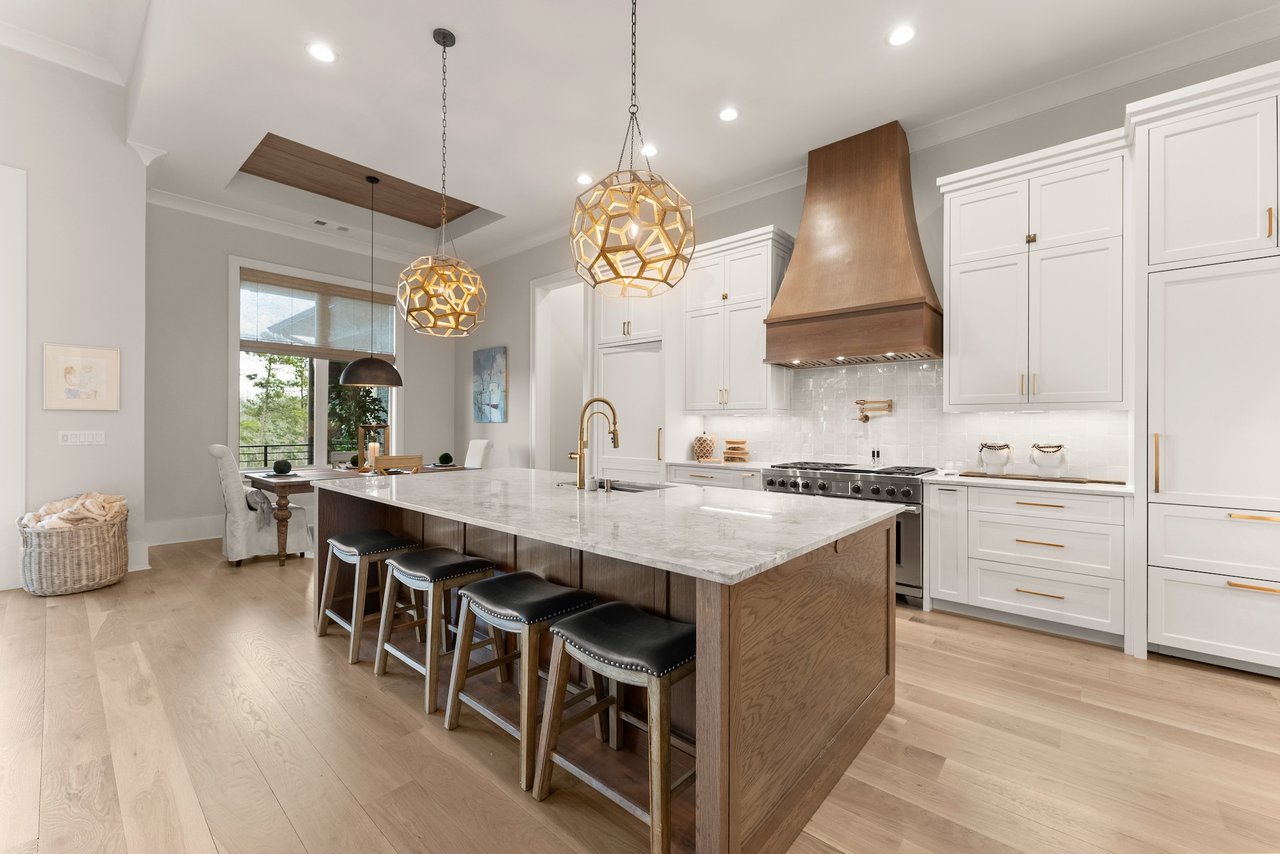
Lake buyers still want a move-in ready home when possible. Updated kitchens and baths, solid systems, and dry basements or crawl spaces make a difference. For older lake homes, watch for water intrusion, mildew, rot, and dock-related mechanicals. High-quality renovations can justify a premium over dated interiors.
Safe year-round road access, adequate parking for guests, and reliable utilities matter for daily use and resale. Septic capacity and condition, or confirmed sewer availability, can influence both buyer confidence and price.
Confirm whether the dock is permitted and compliant. Understand HOA covenants that affect dock size, boat lifts, shoreline changes, or short-term rental use. Unpermitted features or restrictive rules can shrink the buyer pool and require price adjustments or repairs before closing.
Use the most recent closed lakefront sales you can find, ideally from the last 6 to 12 months. If inventory is thin, look up to 24 months and balance older data with newer actives and pendings for direction. Focus on sales from the same cove or adjacent shoreline because location along the lake matters more than simple street distance.
Look for properties with similar usable frontage, dock type, water depth, and interior condition. If an exact match does not exist, be transparent about differences and how you adjusted for them. Use non-lake comps only when you have no better option, and document larger adjustments clearly.
Start with a closed sale price, then apply banded adjustments based on real function and cost:
Sum the adjustments, note your confidence level, and cross-check against at least two other sales. Support your numbers with contractor bids, depth readings, or appraiser input when needed.
If you face disputed lines near the water, shallow access that might need dredging, or complex elevation issues, consult a licensed appraiser experienced with waterfront properties. For shoreline or dock questions, a marine contractor can provide repair scopes and pricing that anchor your adjustments.
Waterfront pricing is feature-driven. A covered lift, 20 feet of additional usable frontage, or a long main-channel view can outweigh many interior upgrades. Be clear about which features matter most in your segment and anchor your price to recent, comparable sales.
Liquidity for lakefront homes varies. Properly priced properties with strong features can draw multiple offers, while homes with shallow water, failing structures, or unclear permits tend to sit. Transparent disclosures and organized documentation help keep buyers engaged and deals moving forward.
Ready to price your Lake Lanier home with clarity and confidence? Put a lakefront strategy behind your list price. If you want a data-backed valuation, feature-by-feature comp analysis, and marketing that showcases what buyers value most, reach out to Dani Burns for a private consultation.
We believe exceptional homes deserve exceptional representation. From exclusive properties to seamless negotiations, we represent every client with the care, precision, and elevated service luxury real estate demands.